Appetite Suppressant Pills That Work: A Tiered Guide
Quick Answer: Which Appetite Suppressant Pills Actually Work?
Appetite suppressant pills fall into tiers. Prescription medicines like GLP-1 drugs and phentermine are strongest but physician-only, while the best over-the-counter option is soluble fiber such as glucomannan, which expands with water to promote fullness. Botanicals like green tea and berberine offer gentler, gradual support, and every option pairs best with diet and activity.
- Strongest, physician-only: prescription GLP-1 medicines and phentermine, prescribed and monitored.
- Best-evidenced OTC: soluble fiber like glucomannan, ~1g with water before meals to promote fullness.
- Gentle daily support: botanicals such as green tea and berberine — modest and gradual, not overnight.
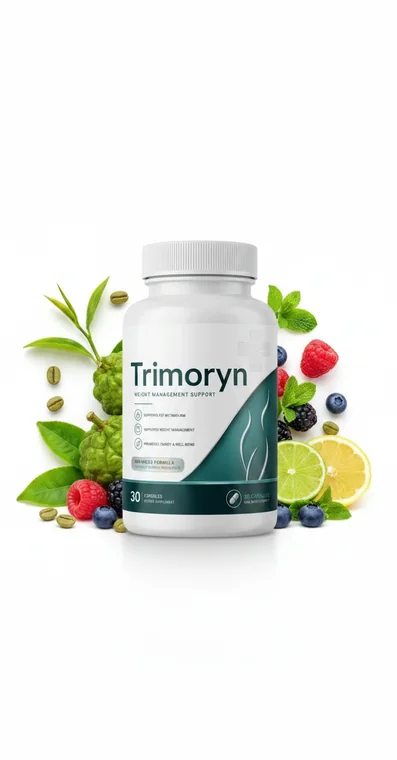
Type "appetite suppressant" into a search bar and you will meet two extremes on the same page: miracle pills that claim to switch hunger off entirely, and cynics insisting nothing over the counter does anything at all. The truth sits between them, and it is genuinely useful once you sort the options by how they work. Some appetite suppressant pills really do help you eat less; others are expensive placebos wrapped in confident marketing. This guide separates the two so you can spend your money on the ones that actually earn it.
The single most important idea to carry through this article is that a good appetite suppressant does not erase hunger — it blunts it, so a sensible eating plan feels easier to follow. Whether you end up with a prescription, a scoop of fiber, or a daily botanical formula, the honest expectation is a gentler appetite that supports your diet, not a switch that turns eating off. Get that framing right and everything below falls into place.
How appetite suppressants actually work
Appetite is not a single dial. It is driven by a mix of stomach stretch, blood-sugar swings, and hormones that signal fullness or hunger to the brain, and different suppressants act on different parts of that system. Prescription medicines can act centrally on the brain's appetite signalling or mimic gut hormones. Fiber works mechanically and by slowing digestion. Protein and certain botanicals nudge the satiety hormones that tell you you have had enough. Understanding which lever a pill pulls is the fastest way to judge whether its claim is plausible or nonsense.
That is also why "works" means different things across the tiers. A prescription drug can produce a large, measurable drop in how much you want to eat. A soluble fiber produces a real but modest sense of fullness at the meals you take it before. A botanical offers a gentle, cumulative effect that shows up over weeks. None of these is fake, but they are not interchangeable, and a fair comparison keeps the mechanism and the magnitude side by side rather than lumping them all under one hopeful headline.
Tier one: prescription appetite suppressants
At the top of the ladder sit the physician-only medicines, and they are the strongest appetite suppressants that exist. The GLP-1 class mimics a gut hormone that signals fullness and slows stomach emptying, and it can dramatically reduce appetite under medical supervision. Phentermine, a long-established prescription option, acts on the central nervous system to curb hunger and is typically used short-term. Both are prescribed, dosed and monitored by a clinician for a reason: they are powerful, they carry eligibility criteria and side effects, and they are not something to improvise.
The honest boundary here is important. These medicines are not available over the counter, they are not what is in any supplement bottle, and no botanical replicates their effect no matter what the label implies. If your weight is affecting your health, the prescription conversation belongs with a doctor — and it is the right first step, not a last resort. We map how these medical options compare with everything else in our guide to the best weight loss pills compared for 2026, which lays out the results, costs and access for each tier without the marketing gloss.
Tier two: over-the-counter fiber, the best-evidenced OTC option
If you want an appetite suppressant you can buy without a prescription and still trust, soluble fiber is the standout. The best-studied example is glucomannan, a viscous fiber from the konjac root. Its mechanism is refreshingly literal: taken with a full glass of water before a meal, roughly a gram of glucomannan absorbs liquid and expands in the stomach, creating a sense of fullness that can take the edge off how much you eat. It is not glamorous, but it is real, and it is exactly the kind of mechanical effect that stands up to scrutiny.
Fiber's advantage goes beyond stomach-filling. Soluble fiber slows digestion and helps smooth out the blood-sugar swings that drive between-meal cravings, and it feeds the gut in ways that support steadier appetite over time. The catch is that the meaningful benefit builds with consistent daily use, and fiber must be taken with plenty of water and introduced gradually to avoid bloating or discomfort. For a deeper look at how these work in real meals, our roundup of hunger-suppressant foods and supplements covers the practical side of getting fiber and protein to do their job.
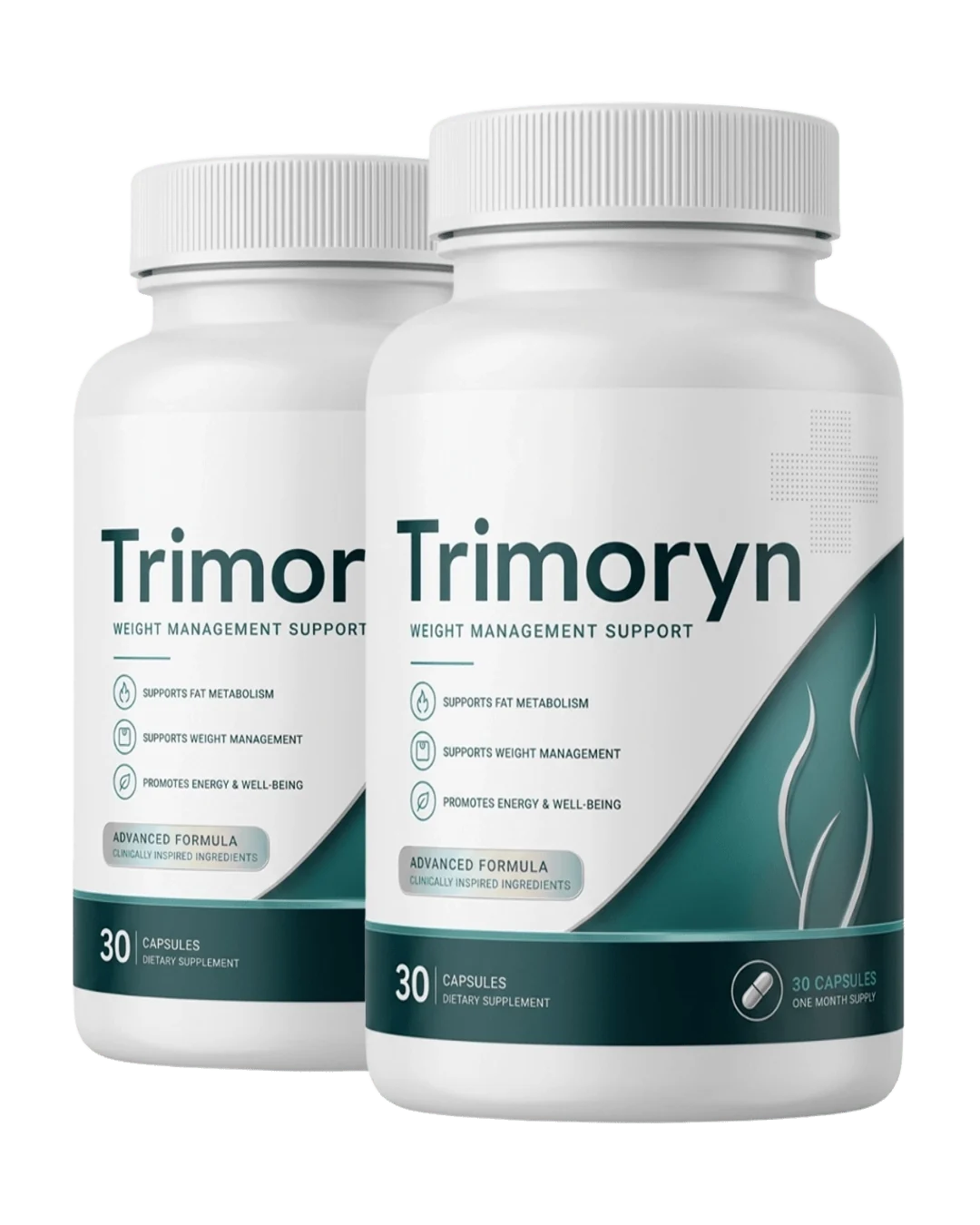
Prefer a gentle daily appetite-support option?
Trimoryn is a once-daily botanical formula built to support appetite balance and metabolism as part of a sensible plan. The official page lists every ingredient and amount so you can judge it on the label.
See the Formula & PricingTier three: botanical and protein-based support
The third tier is where most marketed "appetite suppressant pills" live, and it is the tier that most needs honest handling. Botanicals such as green tea extract and berberine, along with protein, can nudge appetite in useful directions. Green tea's compounds provide a gentle thermogenic effect and may modestly support satiety; berberine influences how the body handles blood sugar, which can smooth the crashes that trigger cravings; and protein is the quiet champion, raising satiety hormones so effectively that simply eating more of it at meals is one of the most reliable appetite tactics available.
The effects here are genuine but modest and cumulative, which is also the conclusion the NIH Office of Dietary Supplements reaches in its review of weight-loss supplements — this is support, not suppression in the dramatic sense. That is not a weakness if you set expectations correctly: a slightly gentler appetite, sustained over weeks, quietly reduces the impulsive snacking that undoes so many diets. The mistake is expecting a botanical to do a prescription's job. If you want the evidence on individual ingredients before you buy, our breakdown of natural hunger-suppressant ingredients weighs each one honestly, flagging the weak claims alongside the credible ones.
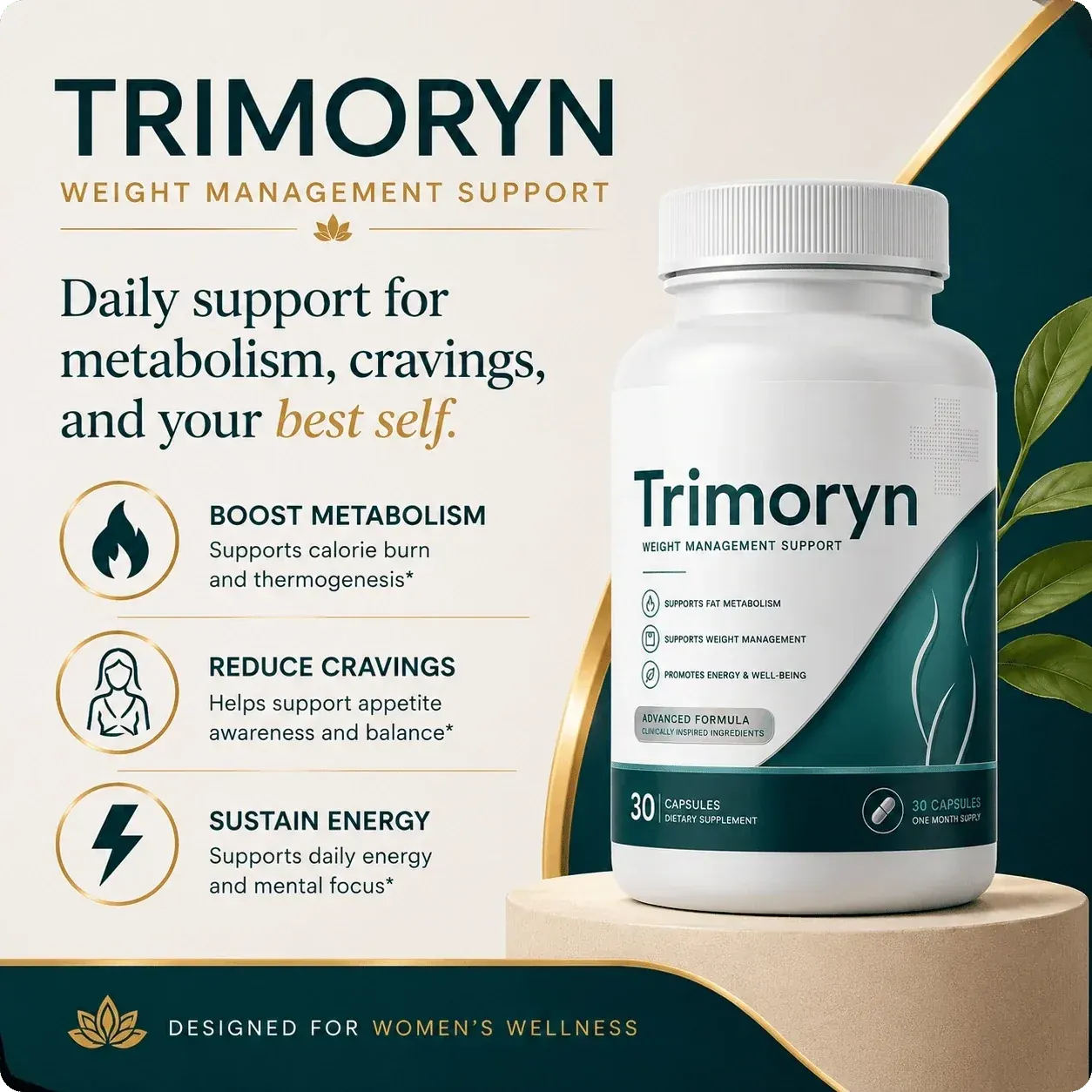
This is the tier a formula like Trimoryn belongs to. Its label lists a once-daily capsule combining Konjac glucomannan fibre standardised to 90% glucomannan, mangosteen, prickly pear and cinnamon bark extracts, alpha-lipoic acid, turmeric, berberine HCl, resveratrol and two probiotic strains — built to support appetite balance and metabolism as part of a routine rather than to override hunger by force. It is a daily-support option, priced as one, and it is honest about being gradual. If you are weighing it specifically, our detailed Trimoryn review with realistic results walks through what to expect and by when, without inflating the promise.
How to spot an appetite suppressant that actually works
Because so many pills in this space are hype, the ability to screen them is more valuable than any single product recommendation. Three checks do most of the work, and they line up with the Federal Trade Commission guidance on substantiating supplement advertising. First, dose transparency: a trustworthy label shows each ingredient and its amount, not a "proprietary blend" that hides how little of the active you are actually getting. If you cannot see the dose, you cannot know it matches what studies used — a trick we unpack in more detail below.
Second, third-party testing: independent verification that the bottle contains what the label claims, at the stated amounts and free of contaminants, is a strong signal a brand is serious. Third, modest, mechanism-based wording: a product that explains how it supports fullness and avoids disease or "melt fat" claims is far more credible than one promising to switch hunger off. A common way weak formulas look stronger than they are is by spreading the dose across a large multi-capsule serving, so the panel shows amounts closer to studied doses than a single capsule delivers.
Setting the right expectations on speed
"How fast will it work?" is the question that trips most buyers up, so let us answer it plainly across the tiers. Prescription medicines can influence appetite within days to weeks under supervision. Over-the-counter fiber can create a fuller feeling at the very next meal you take it before — that part genuinely is fast — but the habit-level benefit, the kind that changes your week rather than one meal, builds over weeks of consistency. Botanical daily formulas follow that same gradual arc.
The through-line is that no honest over-the-counter appetite suppressant is an instant switch. The products that promise overnight, effortless hunger elimination are precisely the ones to distrust. The ones worth taking make each meal a little easier to manage, and it is the accumulation of those easier meals — repeated across weeks — that shows up as real change. Judge a suppressant by whether it makes your plan sustainable, not by whether it delivers a dramatic first day.
Two myths worth clearing up
"A strong enough pill means I don't have to change my diet." This is the myth that sells the most bottles and delivers the most disappointment. Even the most powerful prescription appetite suppressants are prescribed alongside dietary change, not instead of it, because appetite control only translates into results when the calories it helps you skip are not simply added back elsewhere. An OTC or botanical suppressant is even more dependent on the plan around it. The pill lowers the difficulty; your food choices still decide the outcome.
"Natural means it can't hurt me, so more is better." Natural does not mean inert or risk-free. Soluble fiber taken without enough water can cause discomfort or, in rare cases, choking risk if used improperly, and it should be introduced gradually. Caffeine-bearing botanicals like green tea can affect anyone sensitive to stimulants. The sensible rule is to follow the label, not to double it, and to treat "natural" as a reason to check the details rather than to skip them. Talking to a healthcare professional before starting any daily suppressant is the responsible move, especially if you take medication or manage a condition.
Medical note: this article is general information, not medical advice. Prescription appetite suppressants, summarised by the NIH NIDDK guide to prescription medicines for overweight and obesity, must be prescribed and monitored by a qualified clinician. Speak to a healthcare professional before starting any suppressant or supplement, especially if you are pregnant, nursing, caffeine-sensitive, taking medication or managing a health condition.
Scientific references
Related reading
Frequently asked questions
What is the best appetite suppressant pill that works?
There is no single best appetite suppressant for everyone. The strongest hunger control comes from prescription medicines such as GLP-1 drugs and phentermine, which are physician-only. Among over-the-counter options, soluble fibers like glucomannan have the clearest evidence for promoting fullness, with botanicals such as green tea and berberine offering more modest, gradual support. The best pill is the one matched to your health, taken with diet and activity.
Do over-the-counter appetite suppressants really work?
The better ones offer genuine but modest help. Soluble fiber such as glucomannan expands with water to promote fullness when taken before meals, and protein and fiber raise satiety hormones. The effect is gradual, not an appetite switch that flips off overnight. Many marketed pills, however, lack real proof, so check for dose transparency and third-party testing and treat OTC suppressants as support for a diet rather than a replacement for one.
Are natural appetite suppressants safe to take daily?
For healthy adults, well-studied natural options like soluble fiber are generally considered safe for daily use, though fiber should be taken with plenty of water and introduced gradually to avoid digestive discomfort. Caffeine-bearing botanicals such as green tea can affect people sensitive to stimulants. Safe does not mean risk-free, so speak to a healthcare professional before daily use, especially if you take medication or manage a health condition.
How fast do appetite suppressant pills start working?
Prescription medicines can affect appetite within days to weeks under medical supervision. Over-the-counter fiber can create a fuller feeling at the very next meal it is taken before, but the meaningful, habit-level benefit builds gradually over weeks of consistent use. Botanical daily-support formulas follow the same gradual pattern, so the honest expectation is weeks of steady use rather than an instant appetite shutdown.
Where can I buy a glucomannan appetite supplement like Trimoryn?
Trimoryn contains konjac fibre (90% glucomannan) and is sold through its official website. Take it 15 to 30 minutes before a meal.
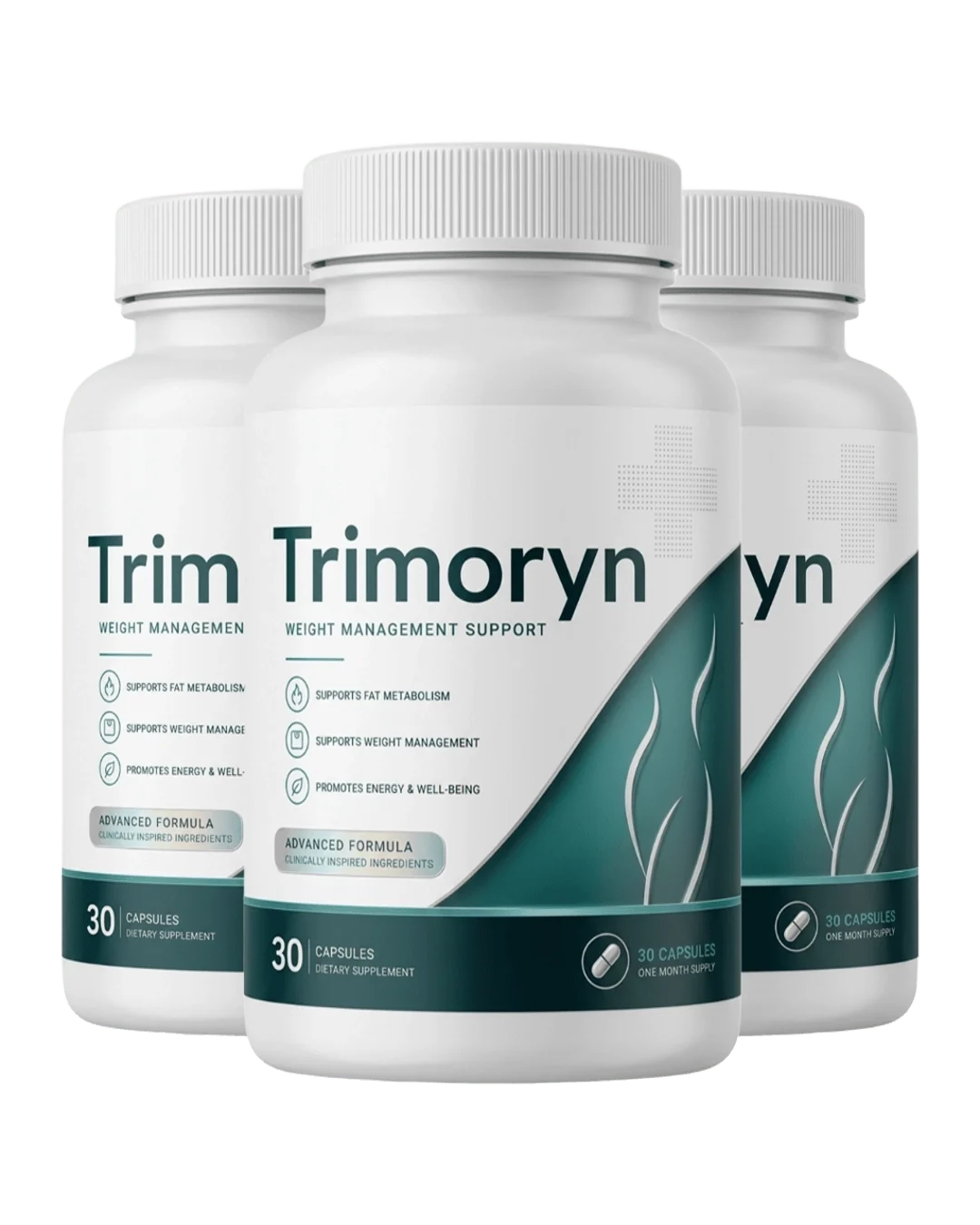
Want a daily appetite-support formula to build on?
Trimoryn pairs Konjac glucomannan fibre with cinnamon bark, prickly pear and mangosteen extracts and two probiotic strains as once-daily support around your plan. The official page carries the current ingredient amounts, supply options and money-back guarantee so you can judge it on the label.
Check the Official Page