Natural Hunger Suppressant Ingredients: How They Ease Appetite
Quick Answer: What Is a Natural Hunger Suppressant?
Natural hunger suppressant ingredients are foods and plant extracts that help you feel full without stimulant drugs, usually by slowing digestion, filling the stomach or steadying blood sugar. Viscous fibre such as glucomannan, protein and green tea are the best-known choices. They combine physical fullness with a gentle metabolic nudge.
- Fibre fills: glucomannan swells in water to create bulk before you eat.
- Protein sustains: it blunts the hunger hormones that drive snacking.
- Green tea supports: catechins and caffeine add mild thermogenesis.
Hunger is not a character flaw, and no amount of gritted teeth will out-argue a stomach that is genuinely empty. That is the first thing to understand about any natural hunger suppressant: the good ones do not fight your appetite with willpower, they change the physical signals that create the appetite in the first place. A stomach that is partly full sends a different message to the brain than one that is empty, and the whole game is nudging that signal earlier and holding it longer.
This matters because the biggest reason diets fail is not motivation, it is the mid-afternoon and late-evening hunger that quietly wins by attrition. If you can take the sharp edge off that hunger with ingredients your body already recognises, the calorie maths becomes something you can actually live with. Below we go through the natural appetite ingredients one at a time, honestly, including where the evidence is strong, where it is thin, and how a well-built blend puts them together so you are not swallowing five separate scoops.
Glucomannan: the fibre that swells before you eat
Glucomannan is a soluble fibre extracted from the root of the konjac plant, and it is the closest thing this category has to a mechanical appetite tool. It is extraordinarily good at holding water, forming a thick gel that expands in the stomach and physically takes up space. That space is the point. When part of your stomach is already occupied before the meal arrives, the stretch receptors that report fullness fire sooner, and you tend to stop eating earlier.
The evidence here is genuinely encouraging rather than hyped. A 2007 randomised controlled trial, among the glucomannan satiety trials indexed in PubMed, reported that participants who took glucomannan with water before meals recorded lower hunger ratings and reduced their overall calorie intake compared with a placebo. Other trials have shown smaller or mixed effects, particularly on scale weight, so this is support rather than a guarantee. What is consistent across the research is the mechanism: it only works if it is taken before eating and with a full glass of water, so the gel forms in the stomach and not in your throat.
That safety caveat is not a formality. Dry fibre that swells on the way down is a real choking and obstruction risk, which is exactly why capsules should be washed down with plenty of liquid and never taken lying down or immediately before bed. Used correctly, glucomannan is one of the few appetite ingredients with a clear, physical reason to work, and it is a sensible backbone for any natural appetite formula.
Caralluma Fimbriata: the cactus with a waistline signal
Caralluma Fimbriata is an edible succulent that has been eaten in parts of India for generations, traditionally chewed to blunt hunger during long working days. Modern interest centres on plant compounds called pregnane glycosides, which are thought to interfere with some of the appetite signalling in the hypothalamus, though the exact pathway is still being worked out.
The most quoted human data comes from a controlled trial of Caralluma fimbriata and waist circumference in which participants taking Caralluma extract over a 60-day period showed a reduction in waist circumference compared with placebo, alongside modest changes in appetite measures. It is not a dramatic body-recomposition result, and honesty requires saying the overall research base is smaller than glucomannan's. But waist circumference is a more meaningful marker than scale weight alone, and a natural appetite ingredient with a plausible signalling mechanism and a real-world tradition of use earns a place in the conversation.
The way to read Caralluma is as a supporting player rather than the star. It is not going to override a genuinely large calorie surplus, and anyone selling it as a standalone miracle is overreaching. As one input among several that each chip away at appetite from a different angle, it is a reasonable inclusion, which is why it appears in combination formulas more often than as a solo product.
Protein and fibre from food: the unglamorous winners
If you want the most reliable natural hunger suppressant of all, it is not exotic. Protein is the macronutrient that most consistently reduces appetite across the day, because it dampens the hunger hormone ghrelin and raises the satiety signals that tell your brain the meal counted. A breakfast built around protein routinely lowers the calories people eat later, and the effect is repeatable enough that it is one of the least controversial findings in nutrition.
Whole-food fibre works alongside it. Beyond the concentrated gel-forming fibres like glucomannan, the fibre in vegetables, legumes, oats and fruit slows gastric emptying, feeds the gut bacteria that influence appetite, and blunts the blood-sugar swings that trigger cravings a couple of hours after a refined-carb meal. None of this is sold in a bottle with a hero name, which is precisely why it gets ignored. It should not be. Any supplement is a supplement to this, not a replacement for it. We covered the wider set of options in our guide to the hunger suppressant foods and supplements that actually help, and the pattern is the same: food first, capsules to fill the gaps.
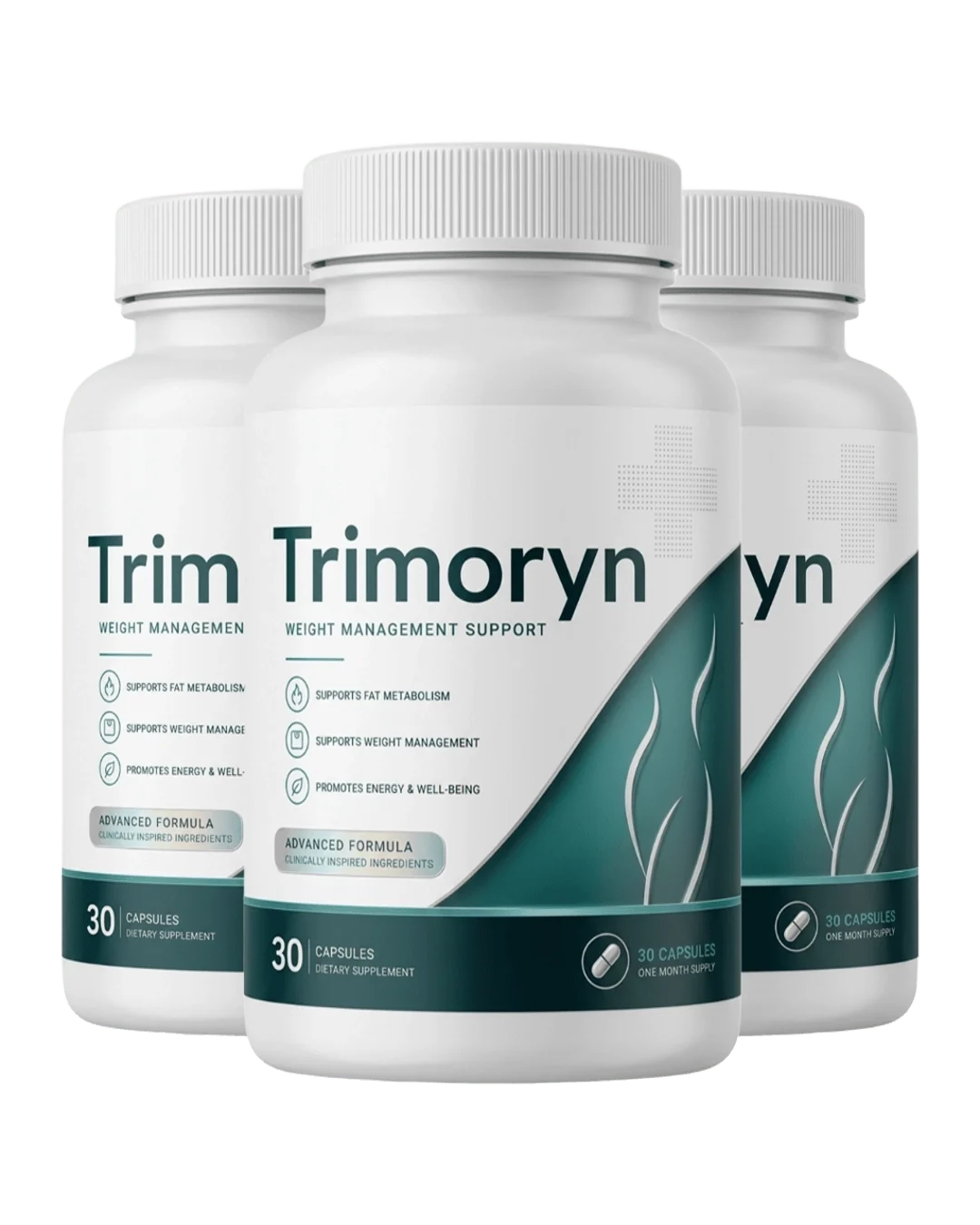
See the full ingredient panel for yourself
Trimoryn combines appetite-support and thermogenic ingredients in one daily capsule, with every amount printed on the official Supplement Facts panel. Check the doses before you decide.
View the Official Ingredient PanelGreen tea and green coffee: appetite meets thermogenesis
Green tea and green coffee extracts sit slightly to one side of pure appetite control, because their main documented action is thermogenic rather than filling. The catechins in green tea, particularly EGCG, together with a modest dose of caffeine, appear to raise energy expenditure and support fat oxidation by a small margin. The appetite angle is secondary but real: caffeine has a mild, short-lived suppressant effect for many people, and the ritual of a warm drink between meals can defuse the boredom snacking that has nothing to do with genuine hunger.
The word to keep in mind is modest. These ingredients nudge; they do not transform. Meta-analyses of green tea catechins, summarised by the NIH NCCIH, show small average effects on weight, and the benefit is easiest to notice when they support a calorie deficit you are already running rather than creating one on their own. We looked at the trials in detail in our review of what the green tea and green coffee weight-loss evidence really shows, and the honest summary is that they are a useful tailwind, not an engine.
The strongest natural appetite strategy is not one hero ingredient. It is stacking three small, honest effects that each work on a different part of hunger.
How the main natural appetite ingredients compare
| Ingredient | Main mechanism | Strength of evidence | Key caveat |
|---|---|---|---|
| Glucomannan | Swells in stomach for physical fullness | Moderate, mixed on weight | Must be taken with ample water before meals |
| Caralluma Fimbriata | Appetite signalling in the brain | Limited but promising on waistline | Small research base; supporting role |
| Protein | Lowers ghrelin, raises satiety | Strong and consistent | Comes from food, not a pill |
| Green tea / green coffee | Thermogenesis, mild appetite dip | Small average effect | Adds caffeine; supports a deficit only |
Three myths worth clearing up
Myth one: a suppressant makes you eat nothing. It does not, and it should not. The realistic effect is stopping a meal a little earlier and skipping the extra handful in the evening. Small reductions repeated daily are what move the needle; the fantasy of feeling zero hunger is neither achievable nor healthy.
Myth two: more is better. Doubling a fibre dose does not double the result, it doubles the bloating and the risk. Every ingredient here has a sensible ceiling, and the products worth trusting dose to the studied range rather than to whatever number looks impressive on a label. This is where reading the panel matters, a discipline we broke down in the weight loss capsules buyer's guide to dose and transparency.
Myth three: natural means you can ignore the rest. A natural hunger suppressant is a tool for making a calorie deficit easier to sustain, not a substitute for one. Take it while eating protein-forward meals, drinking water and moving daily, and it earns its place. Take it instead of those things and it is a placebo you paid for.
Putting the blend together without five scoops
The practical problem with the ingredients above is logistics. Glucomannan needs to be timed before your largest meals, protein needs to be built into those meals, and green tea works best earlier in the day. Managing three or four separate products, each with its own timing rule, is exactly the kind of friction that ends a routine within a fortnight. This is the honest case for a combination formula: it is not that a blend is magically stronger, it is that a blend you will actually take beats a perfect stack you abandon.
That is the design logic behind Trimoryn. Rather than asking you to assemble and time appetite and thermogenic ingredients yourself, it packages a once-daily dose so the routine survives a busy week. If you want to see how a single combined ingredient panel is put together and what sits at what amount, the Trimoryn ingredient breakdown lays out the full formula, including the parts where the evidence is modest. The value of a blend is only ever as real as the doses printed on it, so that panel is the thing to judge, not the marketing around it.
Medical note: this article is general information, not medical advice. Take fibre supplements with plenty of water, and speak to a healthcare professional before starting any supplement, especially if you are pregnant, nursing, taking medication or managing a health condition.
Scientific references
Related reading
Frequently asked questions
What is the strongest natural hunger suppressant?
There is no single winner, because the ingredients work in different ways. For raw fullness, a viscous fibre such as glucomannan has the most direct mechanism, since it absorbs water and swells in the stomach. For steadier appetite across a day, protein tends to be the most reliable. The most useful approach is usually a combination rather than one hero ingredient.
Is glucomannan proven to reduce appetite?
There is supportive evidence rather than proof. A 2007 randomised controlled trial reported that glucomannan taken with water before meals lowered hunger ratings and reduced calorie intake, and it works through a plausible physical mechanism. Results across studies are mixed, and it only helps when taken with enough water and before eating, not sprinkled onto a meal.
Are natural suppressants safe daily?
For most healthy adults the ingredients discussed here are generally well tolerated at label doses, but fibre in particular must be taken with plenty of water to avoid choking or blockage, and it can cause bloating at first. Green tea adds caffeine, which some people are sensitive to. Anyone pregnant, nursing, on medication or managing a condition should check with a clinician first.
How do I combine these ingredients effectively?
Timing matters more than stacking. Take viscous fibre with a full glass of water fifteen to thirty minutes before your two largest meals, anchor those meals with protein, and keep green tea or its extract earlier in the day so the caffeine does not disturb sleep. A single formula that already balances these can remove the guesswork of dosing each one.
What foods help with hunger management between meals?
Fibre-rich and protein-rich foods are a good place to start. Glucomannan swells in water to add bulk, and protein helps you stay satisfied longer after eating.
Try a once-daily appetite and metabolism blend
Trimoryn brings appetite-support and thermogenic ingredients into a single capsule, backed by a money-back guarantee. See current options and the full label on the official store.
Check Trimoryn on the Official Store