Green Tea and Green Coffee for Weight Loss: What Research Shows
Quick Answer: Do Green Tea and Green Coffee Help You Lose Weight?
Green tea and green coffee can give a small boost to weight management when used alongside a calorie-controlled diet. Reviews of green tea catechins with caffeine report a modest rise in energy expenditure and fat oxidation, and a small effect on weight over months. Green coffee’s chlorogenic acid has milder, mixed data, and none of these works overnight.
- Strongest finding: green tea catechins + caffeine give a small thermogenic effect.
- Dose that matters: several hundred mg of EGCG-standardised catechins per day in studies.
- Key caveat: support, not a cure — the diet does the heavy lifting.
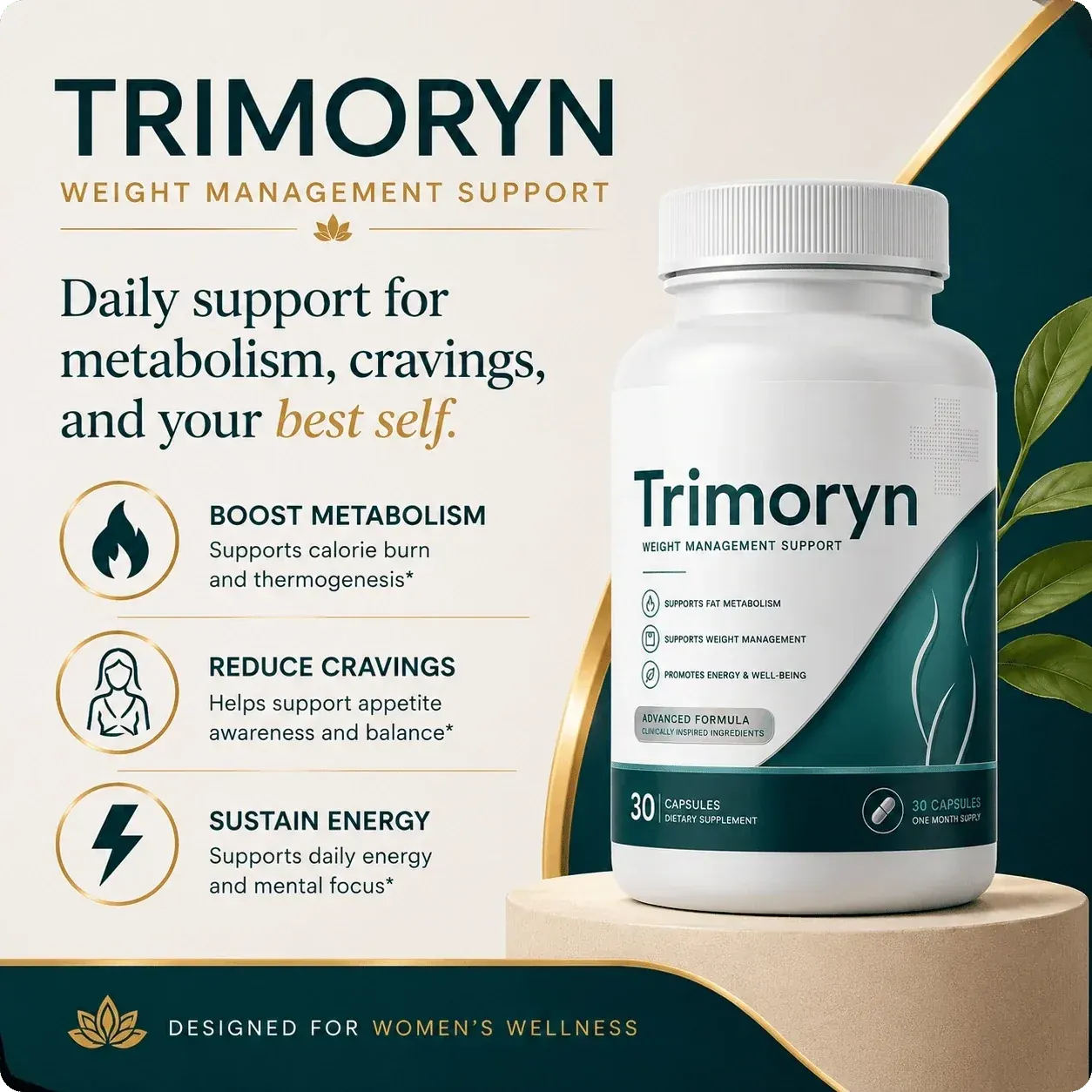
Why green tea, and why it is so often oversold
Green tea is the most-studied ingredient in the weight-loss aisle, and its reputation is half-earned. The catechins — especially EGCG — together with caffeine appear to nudge up energy expenditure and fat oxidation slightly. Pooled reviews, including the Cochrane review of green tea for weight loss, do find an effect, but it is small and statistically noisy: a modest amount of weight over months, not the dramatic loss marketing implies.
The confusion comes from dose and expectation, and the NIH NCCIH summary of green tea is blunt about how thin the evidence gets once you look past the mechanism. Many products list total green-tea weight rather than standardised catechin content, so you cannot tell how much EGCG you are actually getting — one of several panel devices that make a label look stronger than the formula. And even at study doses, the effect is a helper on top of diet, not a replacement for it.
The green coffee and thermogenic side of the story
Green coffee bean extract, standardised for chlorogenic acid, had a burst of headline attention that has not aged well — some of the early positive studies were later retracted or heavily criticised. The current honest read is that its weight-loss evidence is weak and short-term. Cayenne's capsaicinoids are on firmer, if still small, ground: they produce a mild thermogenic effect and can blunt appetite for a few hours, which puts them in the same bracket as the other natural hunger suppressant ingredients worth knowing about.
Then there are the ingredients that trade mostly on reputation. Garcinia cambogia (HCA) has repeatedly underwhelmed in controlled weight-loss trials. Chromium's effect on body weight and cravings is small and inconsistent. Both are common in formulas more by tradition than by strong data, which is worth knowing before you pay for them; we rank which ingredients actually earn a place in our guide to the best diet supplements for weight loss.
What the evidence supports, in one table
| Ingredient | What the research supports |
|---|---|
| Green tea (EGCG + caffeine) | Small rise in energy expenditure/fat oxidation; modest weight effect over months |
| Cayenne (capsaicinoids) | Mild thermogenic and short-term appetite effect |
| Green coffee (chlorogenic acid) | Weak, mixed, short-term data; early studies questioned |
| L-carnitine | Helps mainly in people genuinely low in it |
| Garcinia cambogia / chromium | Largely underwhelming for weight in trials |
Where the evidence stops
Two honest limitations are worth stating plainly. First, a finished multi-ingredient supplement is not the same as any single studied dose — the ingredients can have some evidence while the specific product has never been trialled. Always check a label's standardised amounts against what the studies used. Second, none of this replaces a diet. Sustainable weight change comes from a calorie deficit and activity; a thermogenic capsule is, at best, a small nudge on top, which is the whole answer to the question of whether a supplement can cause weight loss on its own. Be especially wary of before/after photos and promises of effortless results — the FTC gut-check guide flags exactly those as hallmarks of false weight-loss claims.
Medical note: this article is general information, not medical advice. Speak to a healthcare professional before starting any supplement, especially if you are pregnant, nursing, caffeine-sensitive or taking medication — green tea and chromium can interact with several drugs.
Scientific references
- Jurgens T.M. et al. — Green tea for weight loss and weight maintenance, Cochrane Database of Systematic Reviews
- NIH Office of Dietary Supplements — Dietary Supplements for Weight Loss
- NIH NCCIH — Green Tea: What You Need To Know
- PubMed — reviews of chlorogenic acid, capsaicinoids and HCA for weight
- US FTC — Gut Check: Spotting False Weight-Loss Claims
Frequently asked questions
Does green tea help with weight loss?
Modestly. Reviews of green tea catechins with caffeine find a small increase in energy expenditure and fat oxidation and a modest effect on weight over time. The effect is measured in a pound or two over months, not a transformation, and it is most reliable alongside diet and activity.
How much green tea catechin is used in studies?
Trials often use several hundred milligrams of catechins per day, standardised for EGCG, usually with some caffeine. Because EGCG and caffeine appear to work together, the standardised catechin figure is the number worth checking on any label rather than total green-tea weight.
Does Garcinia cambogia or chromium work for weight loss?
The evidence is weak. Controlled trials of Garcinia cambogia (HCA) have largely been underwhelming for weight loss, and chromium's effect on body weight and cravings is small and inconsistent. They are common in weight formulas more by tradition than by strong data.
Can a supplement replace diet and exercise?
No. No weight-loss supplement replaces a calorie-controlled diet and activity. Thermogenic botanicals can give a small nudge to metabolism and appetite, but the diet does the heavy lifting. Be skeptical of any product promising results without lifestyle change.
How long does green tea take to help with weight loss?
Studies of green tea catechins describe small changes building over months, not days. It works best as one part of a calorie-controlled diet and regular activity.
See how Trimoryn puts this together
Trimoryn takes a different route to the same goal: one daily capsule built on Konjac glucomannan fibre, cinnamon bark, prickly pear and mangosteen extracts, with berberine HCl and two probiotic strains. Its label lists no green tea or green coffee extract. Every listed ingredient and amount is on the panel.
Read the Trimoryn Review