Can Supplements Cause Weight Loss on Their Own?
Quick Answer: Can a Supplement Cause Weight Loss by Itself?
Supplements can support weight loss, but they work best alongside diet and activity. Weight change follows energy balance, and a capsule cannot change how much you eat or move unless it helps you change your habits first. Trial evidence shows effects that are small and vary between studies, so a calorie-controlled routine stays the foundation.
- What the trials show: small differences versus placebo, usually alongside a controlled diet.
- What actually drives change: sustained calorie intake and activity, over months.
- Where a supplement can fit: as support around a plan, never as the plan.
What "cause" means when a study says it
The word cause carries a specific meaning in a trial, and it is worth pinning down because marketing borrows it loosely. To say an ingredient caused weight loss, you need a randomised design: two groups, matched as closely as possible, one receiving the ingredient and one receiving an identical placebo, with everything else held the same. The causal claim rests entirely on the difference between the two groups, not on what happened to the group that took the product.
This is the point where most supplement marketing quietly changes the subject. A study runs for twelve weeks, participants follow a reduced-calorie diet, and both groups lose weight because both groups are dieting. The supplement group may lose slightly more. The advertisement then reports the total loss in the supplement group as though the capsule produced all of it. The diet did most of the work, in both arms, and the honest figure is the gap between them.
Once you know to look for that gap, a great deal of category advertising reads differently. A large-sounding average loss tells you the diet worked. Only the between-group difference tells you whether the ingredient added anything, and that difference is very often modest enough that it would not have made the headline.
Can supplements cause weight loss if nothing else changes?
This is the version of the question people actually want answered, and it is the hardest one for the category, because trials that hold diet completely constant and change only the supplement are rare. Most protocols pair the product with dietary counselling, which is sensible science but leaves the isolated question unresolved by design.
What we can say from the trials that exist is that proposed mechanisms are real but small. Some thermogenic compounds do produce a measurable rise in energy expenditure, as the trial data on green tea and green coffee for weight loss shows. Some fibres do slow gastric emptying and increase fullness. Some ingredients modestly reduce fat absorption. Each of these is a genuine physiological effect. The difficulty is scale: a small percentage change in daily energy expenditure is trivially cancelled by an ordinary snack, and the body adjusts appetite and activity in response to small deficits in ways that blunt them further.
So the mechanistic answer and the practical answer differ. Yes, certain ingredients nudge measurable variables. No, that nudge does not reliably translate into meaningful weight change when nothing else about your week changes. Any product marketed on the promise that it will is making a claim the evidence does not support, and one that regulators specifically treat as a warning sign.
Support for a plan, not a replacement for one
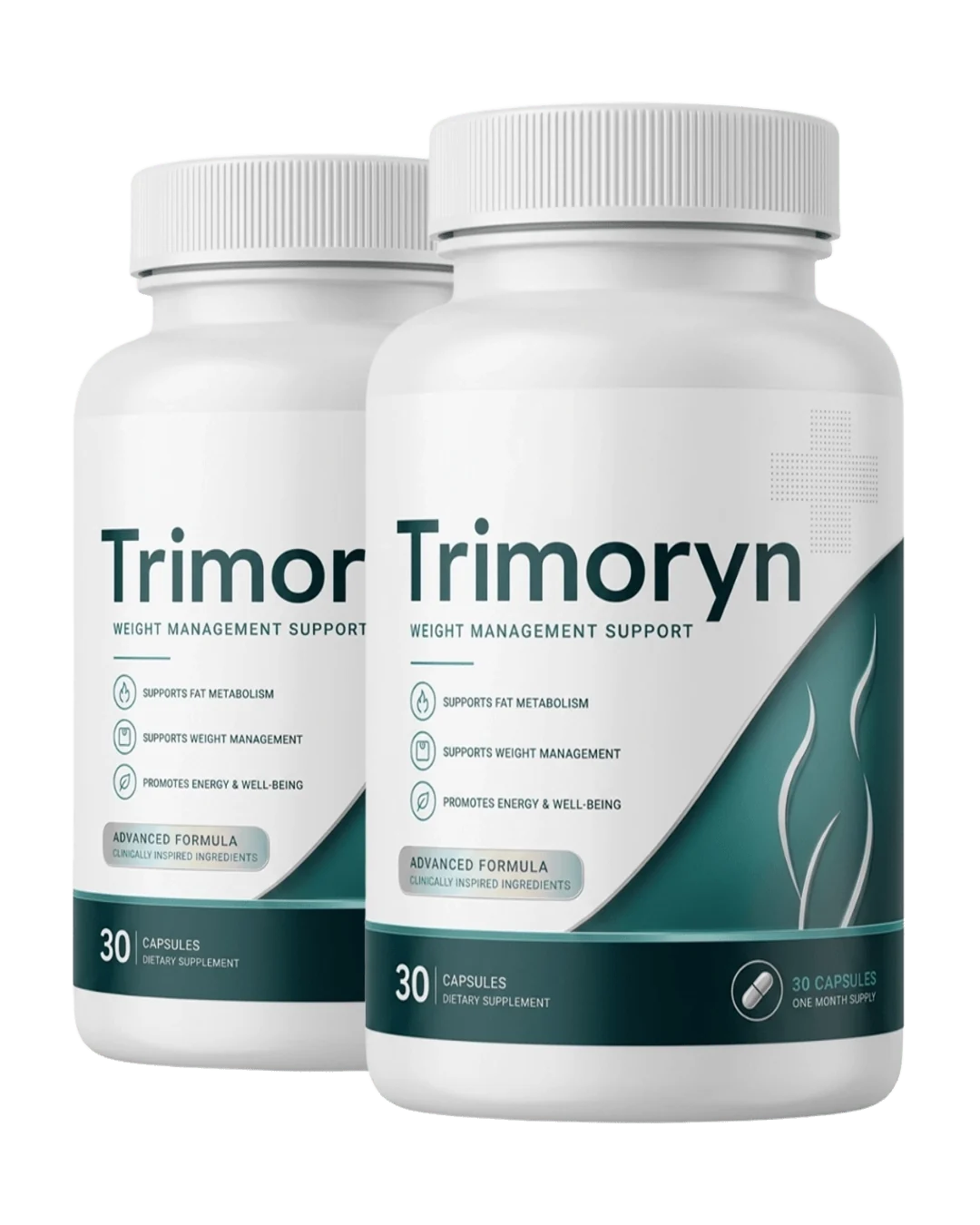
If you are already working on diet and activity and want to see what a formula contains before adding it, the official page lists every ingredient and amount.
See the Full Ingredient ListHow big are the effects that do get measured?
Honest summaries of this literature reach a consistent conclusion, and government health bodies state it plainly. The NIH Office of Dietary Supplements concludes that the evidence that any dietary supplement produces clinically meaningful weight loss is limited, and effects where they exist are generally small and short-lived. The National Institutes of Health has published exactly that assessment of the category as a whole.
Three structural problems keep recurring. Across the randomised trials and meta-analyses indexed in PubMed, trials are typically small, which makes chance findings likely and makes true small effects hard to detect. Trials are typically short, often a matter of weeks, which cannot tell you whether anything persists. And publication is uneven, with positive results more likely to appear than null ones, which tilts the visible literature upward. None of this means every ingredient is useless. It means the category's evidence base is weaker than its confidence.
There is also a real safety dimension, and it is not hypothetical. Products in this category have repeatedly been found adulterated with undeclared pharmaceutical ingredients, which is one of the strongest practical reasons to care about where to buy weight loss supplements safely, and to prefer established, transparent sellers over marketplace listings of unknown origin.
What the evidence supports, by approach
| Approach | What the evidence supports | Strength of evidence |
|---|---|---|
| Sustained calorie deficit | The primary driver of weight change in every controlled setting | Strong and consistent |
| Regular physical activity | Modest additional loss; strongest for maintaining loss | Strong |
| Higher protein and fibre intake | Greater fullness, easier adherence to a deficit | Moderate |
| Thermogenic botanicals | Small rise in energy expenditure; small weight effect at best | Weak to moderate, inconsistent |
| Viscous fibre supplements | Slowed gastric emptying, modest appetite reduction | Moderate for appetite, weak for weight |
| Supplement with no diet change | No reliable evidence of meaningful weight loss | Very weak |
Where a supplement can genuinely help
Dismissing the whole category would be as lazy as overselling it. The useful framing is that supplements act on adherence far more than on physiology, and adherence is the variable that actually decides outcomes over a year.
Three examples. A viscous fibre taken before a meal can make a smaller portion feel adequate, which makes a deficit easier to sustain rather than making it larger by itself — the mechanism we go through ingredient by ingredient in our guide to natural hunger suppressant ingredients. A caffeine-containing formula can make a morning walk more likely to happen on a tired day, and the walk is the thing that counts. And a daily routine — taking something at the same time each morning — can serve as an anchor habit that keeps the rest of a plan in view. That last effect is not pharmacological at all, and it is probably the most reliable one.
The realistic question is not whether a capsule burns fat. It is whether it makes the week in which you eat less and move more slightly easier to repeat.
Framed that way, a supplement is a support tool with a modest and honest job description. That framing also survives contact with the evidence, which is more than can be said for the alternative. If you want to see how the individual ingredients in this category hold up when examined one at a time, our breakdown of what Trimoryn contains goes through them without inflating the weak ones.
Why the marketing arithmetic never adds up
Weight-loss advertising tends to lean on a chain of plausible-sounding steps: this ingredient raises metabolism, a raised metabolism burns more calories, more calories burned means weight lost. Each link is defensible in isolation and the chain still fails, because the size of the first link is small and the body compensates for the rest.
Compensation is the part that never appears in the sales copy. Create a small energy deficit and appetite tends to rise, spontaneous movement tends to fall, and resting expenditure adjusts downward as body mass drops. These are normal regulatory responses, and they are why small interventions produce smaller results than the arithmetic predicts, and why results plateau. Any model that treats the body as a simple calculator will overpromise every time.
There is a labelling dimension too. Panels that spread a formula across a multi-capsule serving can present amounts that look far closer to studied doses than what a single capsule delivers — a habit we unpack in our guide to serving size tricks that inflate a label. Before concluding that a product is the best weight loss dietary supplement for you, it is worth checking whether the dose on the panel is the dose you will actually take each day.
Claims that should stop you
Some claims are reliable signals to walk away, and they are easy to memorise. Any promise of results without changing diet or exercise. Any guarantee of a specific amount of weight in a specific number of days. Language about blocking fat, melting fat or burning fat while you sleep. Before-and-after imagery presented as typical. And any suggestion that a supplement treats, cures or prevents a condition — supplements are not permitted to make disease claims, and a product making one is telling you something about the seller.
The inverse is a positive signal. Wording like "supports", "may help" and "alongside a reduced-calorie diet" is not weak marketing; it is what accurate wording sounds like in this category. A brand that describes its product modestly is generally the one that has read the same evidence you have. That holds whether you are looking at a thermogenic formula or the best weight loss herbal supplement in a crowded shelf of similar options.
What this cannot do, stated plainly
No supplement discussed here diagnoses, treats, cures or prevents any disease, including obesity, and nothing in this article should be read as saying otherwise. Weight is influenced by genetics, medication, sleep, stress, hormonal conditions and circumstances well outside individual control, and a capsule addresses none of those.
Prescription weight-management medicines are a different category with a different evidence base, prescribed and monitored by clinicians. Comparing an over-the-counter supplement to them is not a like-for-like comparison, and any marketing that implies equivalence is misleading you; we set the two categories side by side in our comparison of prescription and over-the-counter weight loss pills. If your weight is affecting your health, that is a conversation with a doctor, not a purchase decision — and the NIH NIDDK weight-management resources are a reasonable place to prepare for it.
The most useful honest position is a narrow one. Supplements in this category may offer small support at the margins for people already doing the substantive work, the evidence for most individual ingredients is weak or mixed, and the difference between a fair product and a poor one is mostly transparency about dose and testing. That is less exciting than the advertising, and it has the advantage of being true.
Medical note: this article is general information, not medical advice. Speak to a healthcare professional before starting any supplement, especially if you are pregnant, nursing, caffeine-sensitive, taking medication or managing a health condition.
Scientific references
Frequently asked questions
Can supplements cause weight loss without diet or exercise?
Not to any meaningful degree. Pooled analyses of dietary supplements for weight loss consistently find effects that are small, inconsistent between studies, and often not clearly separable from placebo. Weight change follows energy balance, and a capsule does not change how much you eat or move unless it also changes your behaviour.
Why do supplement trials still show some weight loss?
Because almost every trial pairs the supplement with a calorie-controlled diet, and both the supplement group and the placebo group lose weight. The number that matters is the difference between the two groups, not the total lost. That difference is usually much smaller than the headline figure suggests.
Are any weight loss supplements worth taking at all?
Some ingredients have modest support for narrow effects such as a small rise in energy expenditure or a short-term reduction in appetite. That can make a diet slightly easier to stick to. It is support around the edges of a plan rather than a substitute for one, and honest labelling says exactly that.
What claims on a weight loss product are red flags?
Promises of results without diet or exercise, guaranteed amounts of weight lost in a set number of days, claims to block fat or burn fat while you sleep, and any suggestion that a supplement treats or cures a condition. Supplements are not permitted to make disease claims, and results claims of that kind are not supportable.
Where can I buy Trimoryn to use with a calorie-controlled diet?
Trimoryn is sold through its official website. It is made to support a calorie-controlled diet, not replace one.
If you are already doing the work
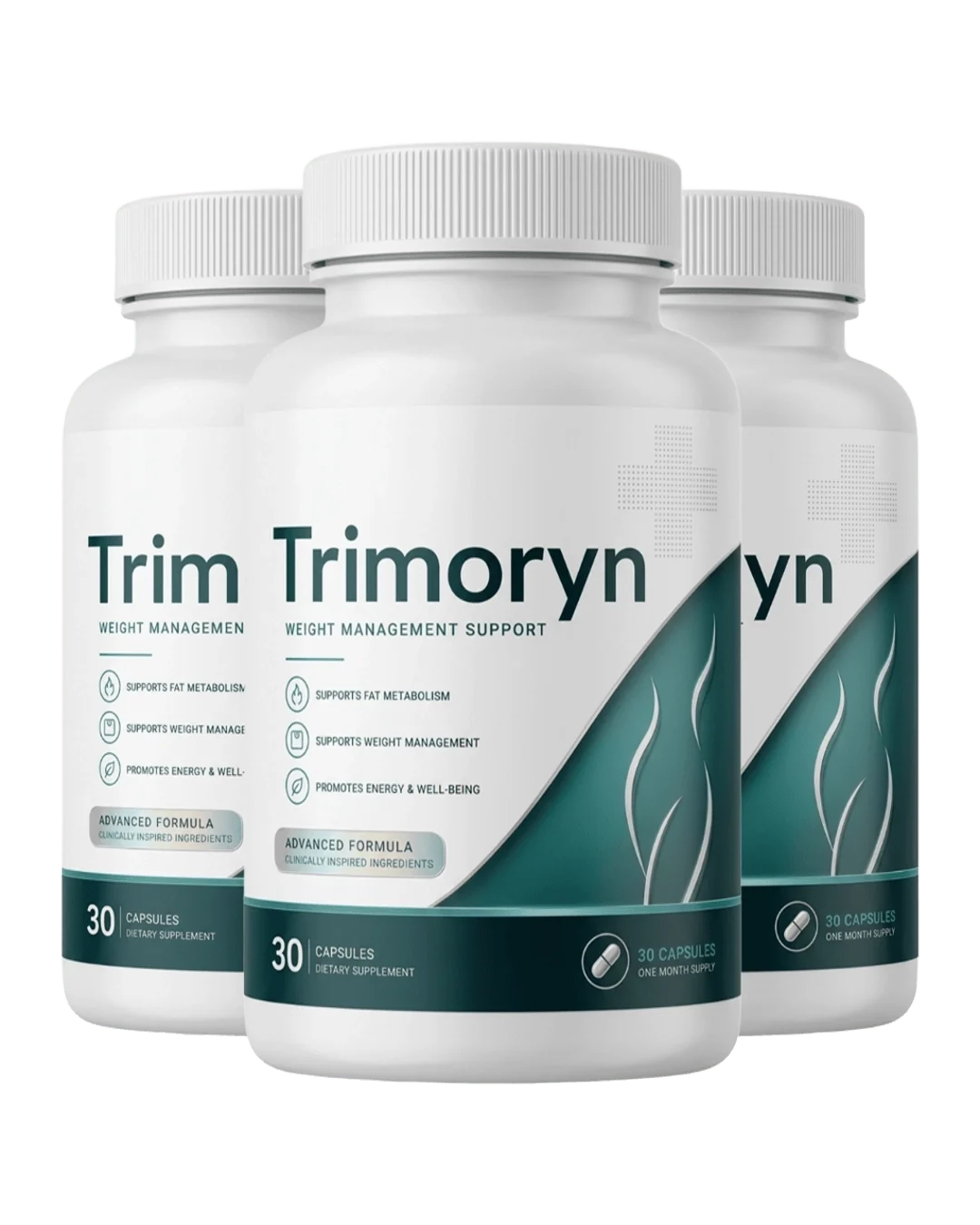
A formula is support around a diet, not a shortcut past one. The official page carries the current ingredient amounts, directions and supply options so you can judge it on the label.
Check the Official Page