Weight Loss Capsules Buyer’s Guide: Dose, Label and Freshness
Quick Answer: How Do I Buy Weight Loss Capsules Well?
Choose weight loss capsules on dose, transparency and freshness, in that order. Check that the active ingredients are dosed at the amounts used in research, that each amount is printed instead of hidden in a proprietary blend, and that potency is guaranteed at expiry. Then compare price per serving rather than per bottle, and buy from the official store.
- Dose first: match each amount against the studies a product cites.
- Transparency next: reject vague proprietary-blend totals.
- Freshness last: potency at expiry beats potency at manufacture.
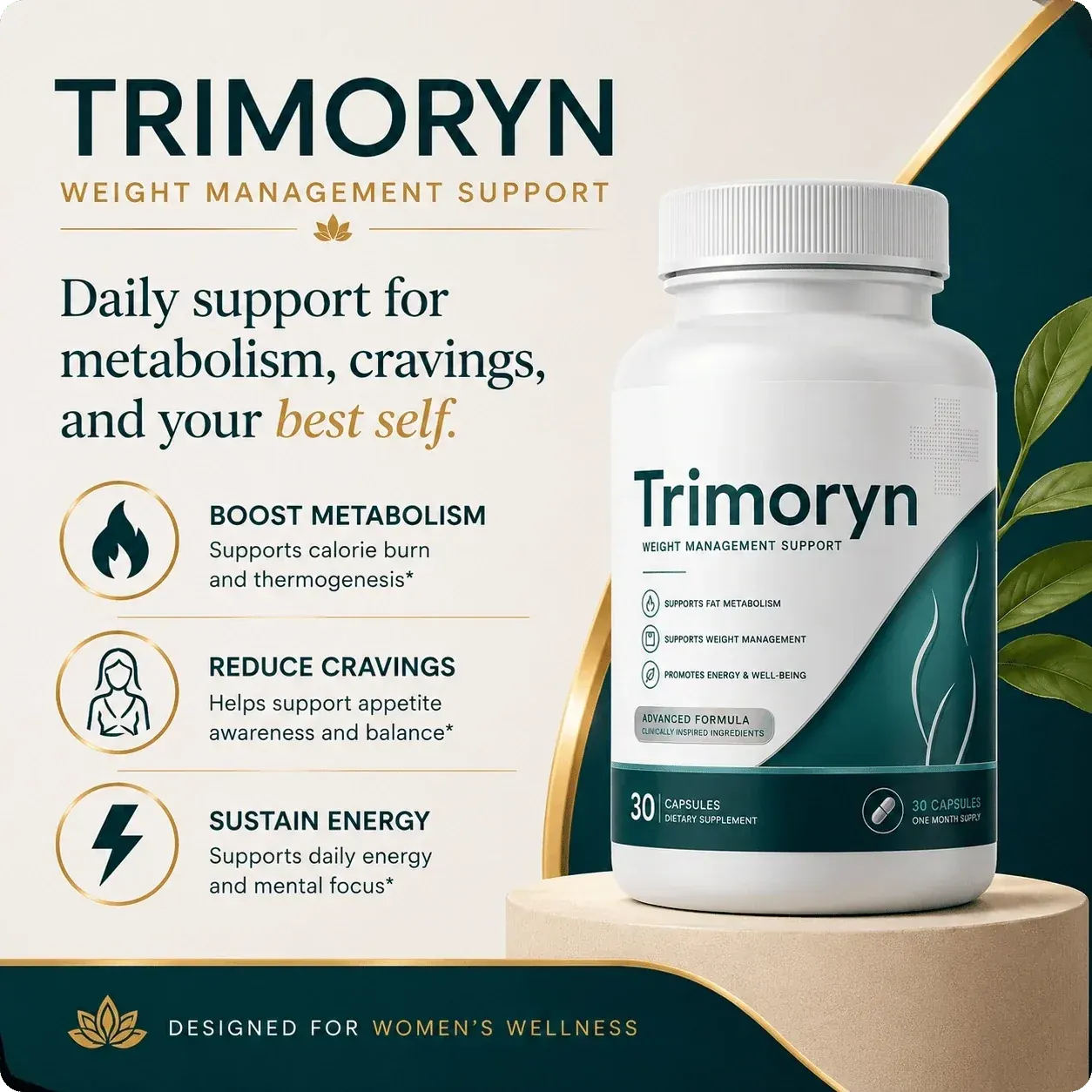
Buying weight loss capsules is one of those purchases where the packaging is engineered to do the deciding for you, and the packaging is exactly the wrong thing to trust. Every bottle on the shelf promises support, energy and a leaner you; almost none of that language is regulated, and none of it tells you the one thing that matters, which is what is actually inside each capsule and in what amount. This guide is about ignoring the front of the pack entirely and buying on the numbers.
The good news is that judging a diet capsule well comes down to a short, repeatable checklist. You do not need a nutrition degree, you need to know which three questions separate a formula worth taking from an expensive placebo: is it dosed properly, is the label honest about it, and will it still be potent by the time you finish the bottle. Get those right and the rest, price included, falls into place. Let us take them one at a time.
Rule one: clinical dose beats an impressive name
The single most common way weight loss capsules disappoint is dose, and published content analyses of supplement labels show the gap is often wider than the panel implies. A formula names a well-studied ingredient, prints it in bold on the front, and then includes a fraction of the amount that the studies it leans on actually used. The industry term is fairy dusting: enough of the ingredient to legally list it, nowhere near enough to reproduce a result. The name sells the bottle; the dose does the work, and the two are frequently miles apart.
The fix is to treat every ingredient on the panel as a claim to be checked against the research. If a product implies a benefit from an ingredient, look up, in the way the NIH Office of Dietary Supplements advises consumers, the dose used in the human trials on that ingredient and compare. A capsule delivering a small fraction of a studied amount is not a smaller version of the effect, it is often no meaningful effect at all, because many of these ingredients have a threshold below which nothing measurable happens. This is the difference between a formula built to work and one built to photograph well, a distinction we drew out in our look at the best diet supplements for weight loss and what earns the label.
Dose also has a ceiling. More is not automatically better, a point the FDA makes in its questions and answers on dietary supplements, and a stimulant or fibre pushed past its studied range trades a slightly bigger effect for a much bigger side-effect and safety risk. The products worth trusting sit inside the researched window on purpose. When you see an amount that looks enormous compared with everything you can find in the literature, that is not a green flag, it is a prompt to ask why.
Rule two: transparency, or the proprietary-blend fog
Once you care about dose, you immediately run into the industry's favourite way of hiding it: the proprietary blend. A blend lists several ingredients under one combined weight, so you see a single impressive-looking total but never the split between the ingredients inside it. The total is real, and the ingredients are ordered heaviest first, but you cannot tell whether the hero ingredient makes up most of the blend or a trace of it hiding behind cheaper filler.
A blend is not automatically dishonest, but it makes the dose check above impossible, which is usually the point. A brand confident in its amounts has no reason to hide them, because full disclosure gives away nothing a competitor could not reverse-engineer anyway. So a fully transparent panel, every ingredient with its own amount, is itself a quality signal: it tells you the company is comfortable being compared. Vague blends are a reason for caution, not enthusiasm. We pulled apart the specific tricks, including multi-capsule servings that triple every number, in our guide to the serving-size tricks that quietly inflate a label.
Compare the panel before you commit
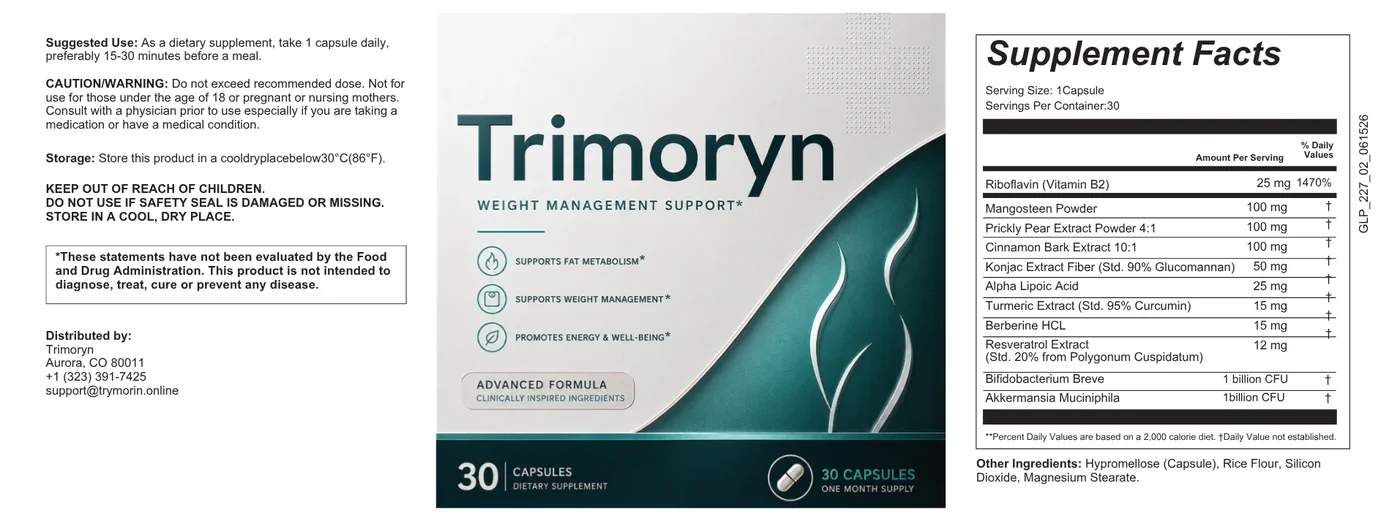
Trimoryn publishes its full ingredient panel with individual amounts on the official store, so you can run the dose and transparency checks yourself before buying.
See the Official Supplement FactsRule three: potency at expiry, not at manufacture
Here is the check almost nobody runs, and it is the one that quietly decides whether the capsules you swallow in month two are as strong as the ones you swallowed on day one. Some ingredients degrade over the shelf life of a bottle, so a potency figure measured at the moment of manufacture can be comfortably higher than what remains when you actually take the last few capsules. A label that guarantees an amount at expiry is making a much stronger promise than one that quietly measures at manufacture and lets time erode the rest.
This is most acute for living or fragile ingredients, where the gap between the two figures can be large. We walked through exactly how that overcount works, and why the manufacture-date number flatters the product, in our explainer on why CFU at manufacture and CFU at expiry are not the same promise. The practical takeaway for any weight loss capsule is the same: look for a clear expiry date, a potency guaranteed through that date, and manufacturing under GMP standards. Those three together mean the number on the panel is a promise about the capsule in your hand, not a snapshot from a factory months ago.
A dose you cannot verify, hidden in a blend you cannot read, in a bottle that may have lost potency months ago, is not a bargain at any price.
The buyer's checklist at a glance
| What to check | Good sign | Warning sign |
|---|---|---|
| Dose of key actives | Matches amounts used in cited studies | Trace amounts under an impressive name |
| Label transparency | Every ingredient has its own amount | Big proprietary-blend total, no split |
| Serving size | Amounts stated per single capsule | Numbers inflated by three-capsule servings |
| Potency guarantee | Guaranteed at expiry date | Measured only at manufacture |
| Value | Reasonable price per serving | Cheap bottle, tiny servings per container |
| Source | Bought from the official store | Unknown marketplace reseller |
Capsules versus tablets versus powders
Format is a smaller decision than dose, but it is not nothing, and the objection that all delivery forms are equivalent is worth answering. Capsules are easy to swallow, mask the bitter taste of many botanicals, and dissolve predictably. Crucially for this category, they sidestep a genuine safety problem: swelling fibres such as glucomannan are dangerous taken dry as a tablet or loose powder, because they can expand in the throat. Washed down as a capsule with a full glass of water, that risk is managed sensibly.
Tablets can compress more material into a single unit, which is useful for bulky ingredients, but they often need more binders and coatings to hold together, and some pass through less completely. Powders allow the largest doses and let you scale a serving, but they demand accurate scooping, mixing and a tolerance for taste, which is exactly the kind of daily friction that ends routines. For a fixed daily blend that you want to take without thinking, capsules are usually the most convenient and the most consistent from one day to the next.
Rule four: price per serving, not per bottle
The last trap is the one that feels most like common sense and misleads the most: comparing the sticker price on the bottle. Two bottles at the same price are not the same value if one lasts a month and the other lasts twelve days, and serving size is what decides that. A bottle of sixty capsules is a two-month supply at one capsule a day and a twenty-day supply at three capsules a day, and the shelf price hides that completely.
The arithmetic is quick. Divide the servings per container by the servings per day to get how many days the bottle really covers, then divide what you would pay by that number of days. That gives a cost per day, which is the only figure on which two products can be honestly compared. It is also why multi-bottle bundles frequently win: they lower the price per serving and happen to match the eight-to-twelve-week window over which these formulas are meant to be judged. If you want the full breakdown of how bundles and the guarantee interact for one product, our page on Gut Health Supplements Lactose Free: Allergen Statements and Cross-Contamination works through it.
Where Trimoryn fits the checklist
None of this is about a single brand, but a worked example helps. Trimoryn is a once-daily weight loss capsule that publishes its full ingredient panel with individual amounts rather than a proprietary blend, which lets you run the dose and transparency checks yourself instead of taking marketing on trust. Buying it from the official store rather than a third-party marketplace is what protects the freshness and potency side of the checklist, and the multi-bottle options are priced to bring the cost per serving down over a sensible usage window. Judge it the way you would judge anything here: read the panel, check the amounts against the research, confirm where it ships from, and decide on the numbers.
Medical note: this article is general information, not medical advice. No capsule replaces a calorie-appropriate diet and activity. Speak to a healthcare professional before starting any supplement, especially if you are pregnant, nursing, taking medication or managing a health condition.
Scientific references
- NIH Office of Dietary Supplements — Dietary Supplements: What You Need to Know
- NIH Office of Dietary Supplements — Dietary Supplements for Weight Loss
- U.S. FDA — Questions and Answers on Dietary Supplements
- Mayo Clinic — Dietary supplements: what to know before you buy
- PubMed — published analyses of supplement label accuracy
Related reading
Frequently asked questions
How do I choose good weight loss capsules?
Judge them on three things in order: whether the active ingredients are dosed at the amounts used in research, whether the label shows individual amounts rather than hiding them in a proprietary blend, and whether the price works out reasonably per serving rather than per bottle. Marketing language, star ratings and packaging tell you almost nothing useful by comparison.
What dose should key ingredients be at?
It depends on the ingredient, but the benchmark is always the amount used in the human studies a product cites. A capsule that names an impressive ingredient but delivers a fraction of the studied dose, a practice known as fairy dusting, is buying the name, not the effect. Compare each amount on the panel against published research rather than against the front of the pack.
Are capsules better than tablets or powders?
Each format has trade-offs. Capsules are easy to swallow, mask taste and avoid the choking risk of taking fibre tablets or powders dry, which matters for swelling fibres. Tablets can pack more material per unit but may use more binders. Powders allow larger doses but demand accurate scooping and mixing. For a fixed daily blend, capsules are usually the most convenient and consistent.
How do I check a product's potency and freshness?
Look for a potency figure guaranteed at expiry rather than at the time of manufacture, since some ingredients degrade over the life of the bottle. Check for a clear expiry date, third-party or GMP manufacturing, and buy from the official store so stock is fresh and correctly handled. Marketplace listings can be old, mishandled or counterfeit.
Where should I buy weight loss capsules?
Buy from the official store of the brand. That way you know the capsules are genuine and fresh, and you can compare the price per serving clearly.
Run the checklist against Trimoryn
Full ingredient amounts, a once-daily capsule and a money-back guarantee, all on the official page. See the current bundle options and check the price per serving yourself.
Check Trimoryn on the Official Store