Gut Health Supplements Lactose Free: Reading Allergen Statements
Quick Answer: How Do You Tell If a Supplement Is Really Lactose Free?
Gut health supplements that are lactose free will not carry a Contains: milk statement. Read the Contains line first, then the other ingredients line, which should be clear of lactose, whey, milk solids and milk-derived carriers. Advisory phrases like may contain milk or made on shared equipment are voluntary, so check the full label before you buy.
- Mandatory and reliable: a "Contains: milk" statement for deliberate dairy ingredients.
- Voluntary and inconsistent: "may contain", "shared facility", "shared equipment".
- Not the same thing: lactose free is a sugar claim, dairy free is a protein question.
Two sentences that look alike and mean very different things
Every supplement carton carries at most two kinds of allergen sentence, and they come from opposite places. The first is the "Contains" statement. In the United States, if a major food allergen is deliberately part of the formula, the label has to declare it, either inside the ingredient list or in a separate "Contains" line beneath it. Milk is one of those recognised major allergens, alongside eggs, fish, crustacean shellfish, tree nuts, peanuts, wheat, soybeans and sesame. That statement is a legal requirement, not a courtesy, which is why it is the sentence to trust.
The second is advisory wording: "may contain milk", "manufactured on equipment that also processes dairy", "produced in a facility that handles soy and milk". These are voluntary. No rule dictates when a manufacturer must use them, which phrase to use, or what level of risk triggers one. Two plants with identical practices can label differently, and one may say nothing at all.
This asymmetry is the single most useful thing to understand about allergen labels. A "Contains" line is evidence of what is in the product. An advisory line, in the terms the published work on precautionary allergen labelling uses, is evidence of what a company chose to disclose. Silence in the advisory space is not evidence of anything, and treating it as a clean bill of health is the mistake most buyers make.
Why gut health supplements lactose free of dairy are harder to find than you would think
Dairy turns up in this category for three separate reasons, and only one of them is obvious. The first is the carrier. Powders and capsule fills need bulk and flow, and lactose has been a standard pharmaceutical excipient for a century because it compresses well, is cheap and tastes neutral. It can appear in a formula in quantities that have nothing to do with the active ingredients.
The second is the growth medium. Many lactic acid bacteria are cultured on dairy-based media, and depending on how the culture is harvested and dried, small residues can carry through into the finished powder. A product can therefore be built from an organism grown in milk without milk appearing anywhere in the marketing. Responsible manufacturers using dairy-derived cultures declare it; the declaration is the point.
The third is protein and flavour. Whey protein, milk solids and dairy-derived flavourings show up in powders, chews and drink mixes far more often than in plain capsules. If you are choosing between formats and dairy is a concern, a simple capsule is generally the shorter ingredient list and the easier one to verify, which is the opposite of the trade-off you face when choosing a protein powder for weight loss, where dairy is usually the base rather than a contaminant. That is a genuinely useful filter when you are comparing the best gut health supplement brands rather than judging by packaging.
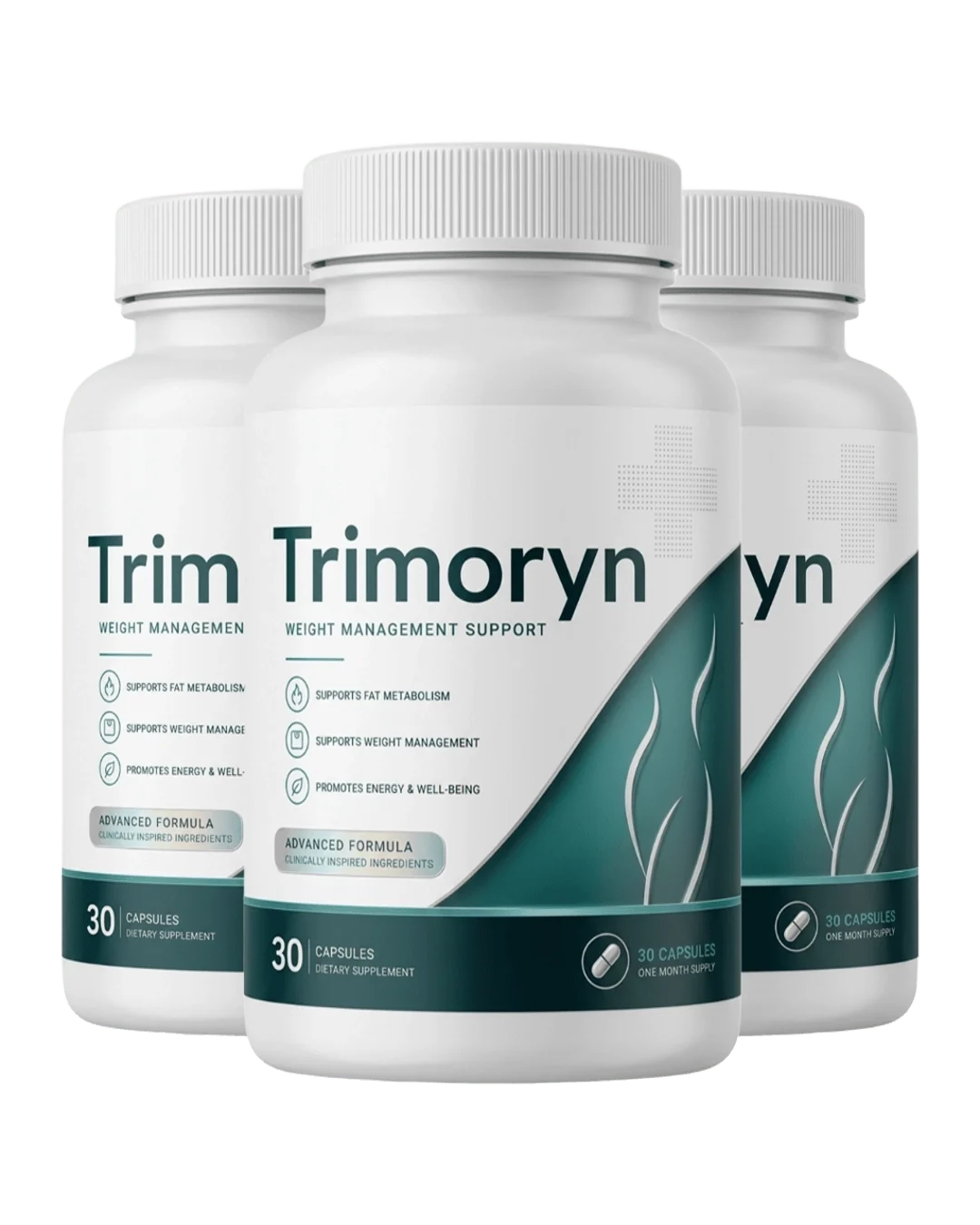
Want to read the actual ingredient panel?
Allergen wording and the other ingredients line are printed on the official product page, which is the right place to check before you order anything.
View the Official Ingredient PanelLactose intolerance and milk allergy are not the same problem
These two get merged constantly, and the distinction changes which line on the label matters to you. Lactose intolerance, described by the National Institute of Diabetes and Digestive and Kidney Diseases, is a digestive issue: the small intestine does not produce enough lactase to break down lactose, the undigested sugar reaches the colon, gut bacteria ferment it, and the result is gas, bloating, cramping or loose stools. It is uncomfortable and dose-dependent. Many people with lactose intolerance handle small amounts without trouble, and tolerance varies widely between individuals.
A milk allergy is an immune reaction to milk proteins, principally casein and whey. It is not dose-dependent in the same forgiving way, and as the Mayo Clinic overview of milk allergy explains, trace exposure can matter, and reactions can be serious. That difference has a direct labelling consequence: a product can be genuinely lactose free and still contain milk protein, because removing the sugar does not remove the protein. If you have a diagnosed milk allergy, the "lactose free" claim on the front of a pack is not the claim you need. The "Contains" statement is.
Running the logic the other way, someone with lactose intolerance who reacts to a supplement should look at the carrier and the excipients before blaming the active ingredients. It is easy to conclude that a probiotic strain disagreed with you when the lactose filler behind it was the actual cause.
What each phrase on the pack really tells you
| Wording | Status | What you can conclude |
|---|---|---|
| "Contains: milk" | Mandatory for deliberate major allergens | Dairy is in the formula on purpose — reliable |
| Lactose, whey or milk solids in other ingredients | Mandatory ingredient disclosure | Dairy present, even without a Contains line nearby |
| "May contain milk" | Voluntary advisory | Company is disclosing possible cross-contact |
| "Made on shared equipment" | Voluntary advisory | Same line runs dairy products — higher contact risk |
| "Made in a shared facility" | Voluntary advisory | Same building, usually separate lines — lower risk |
| No allergen wording at all | Nothing stated | No deliberate allergen; cross-contact status unknown |
Shared equipment, shared facility and dedicated lines
Cross-contact happens in the plant, not in the recipe. A blender that mixed a whey-based powder in the morning and a probiotic capsule fill in the afternoon can carry residue between the two, however thorough the cleaning. Dust is the underestimated route: fine powders travel through air handling systems and settle on surfaces well away from the line that produced them.
The industry answers this with allergen control programmes — production scheduling that runs allergen-free products first, validated cleaning between runs, swab testing of equipment, and in the strongest cases physically dedicated lines or dedicated buildings. The wording on a pack is a rough signal of where a maker sits on that spectrum. "Made on shared equipment" is a more direct exposure than "made in a shared facility", and a dedicated-line claim is stronger than either. A brand that publishes its allergen control approach, rather than a single hedging sentence, is telling you it has one.
A mandatory statement tells you what is in the product. A voluntary statement tells you what the company decided to say. Only one of those is evidence.
Certifications, testing and what a seal is actually worth
Third-party certification is the most practical shortcut available, provided you know what each seal covers. A gluten-free certification tests for gluten, not dairy. A vegan certification excludes animal-derived ingredients as a matter of formulation, which rules out deliberate dairy but is not itself a cross-contact test. Certified dairy-free or milk-allergen-friendly programmes exist and are the closest thing to a direct answer, and they usually involve both an ingredient audit and a facility inspection. The same seal-by-seal scepticism belongs in the wider checklist we set out for judging weight loss capsules on dose and label transparency.
Generic quality marks work differently again. Good manufacturing practice compliance covers process control and record keeping across a facility, which raises the floor on allergen handling without certifying any particular product as free of a specific allergen. A certificate of analysis for a batch is useful when it actually lists what was tested for, and much less useful when it is waved at you as a general reassurance.
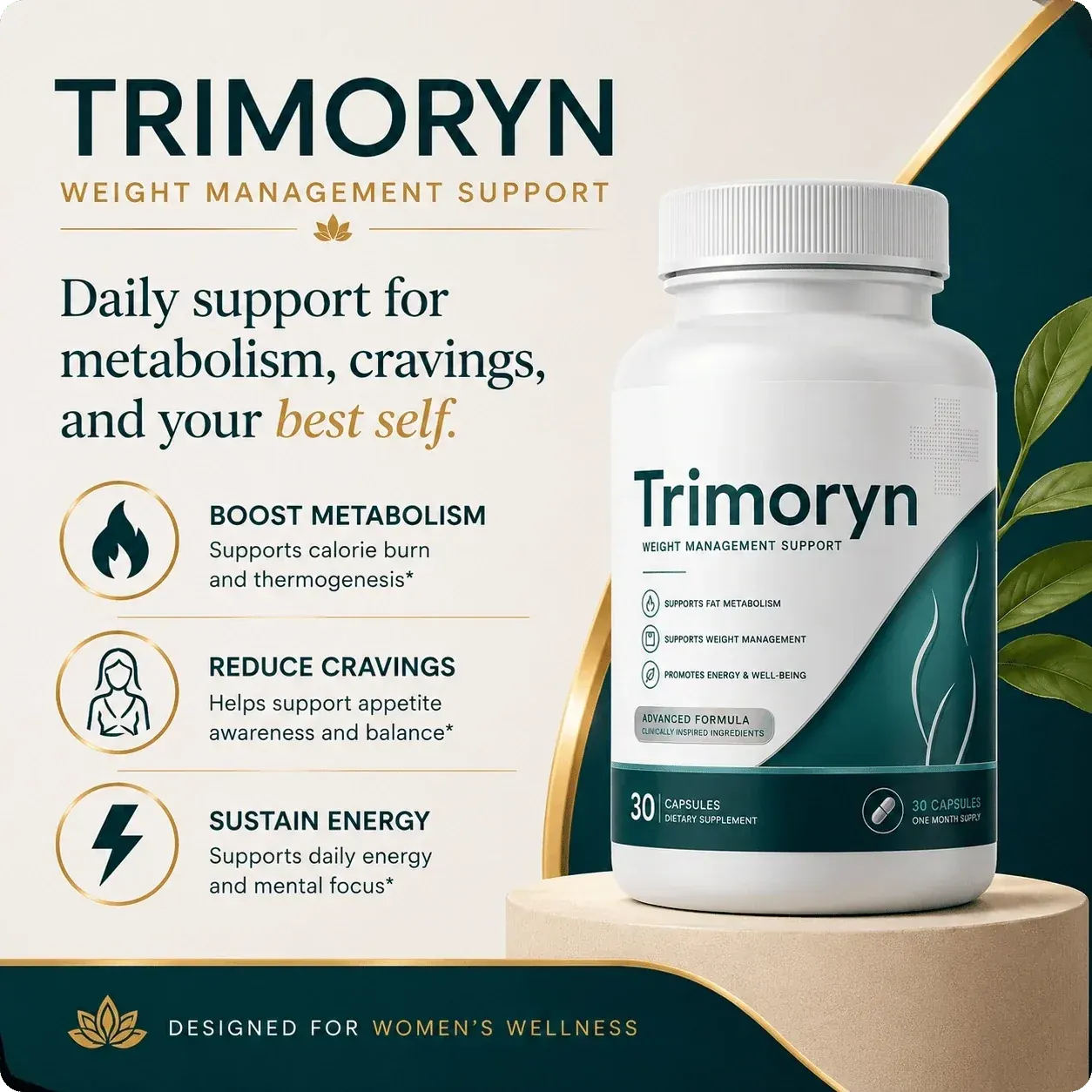
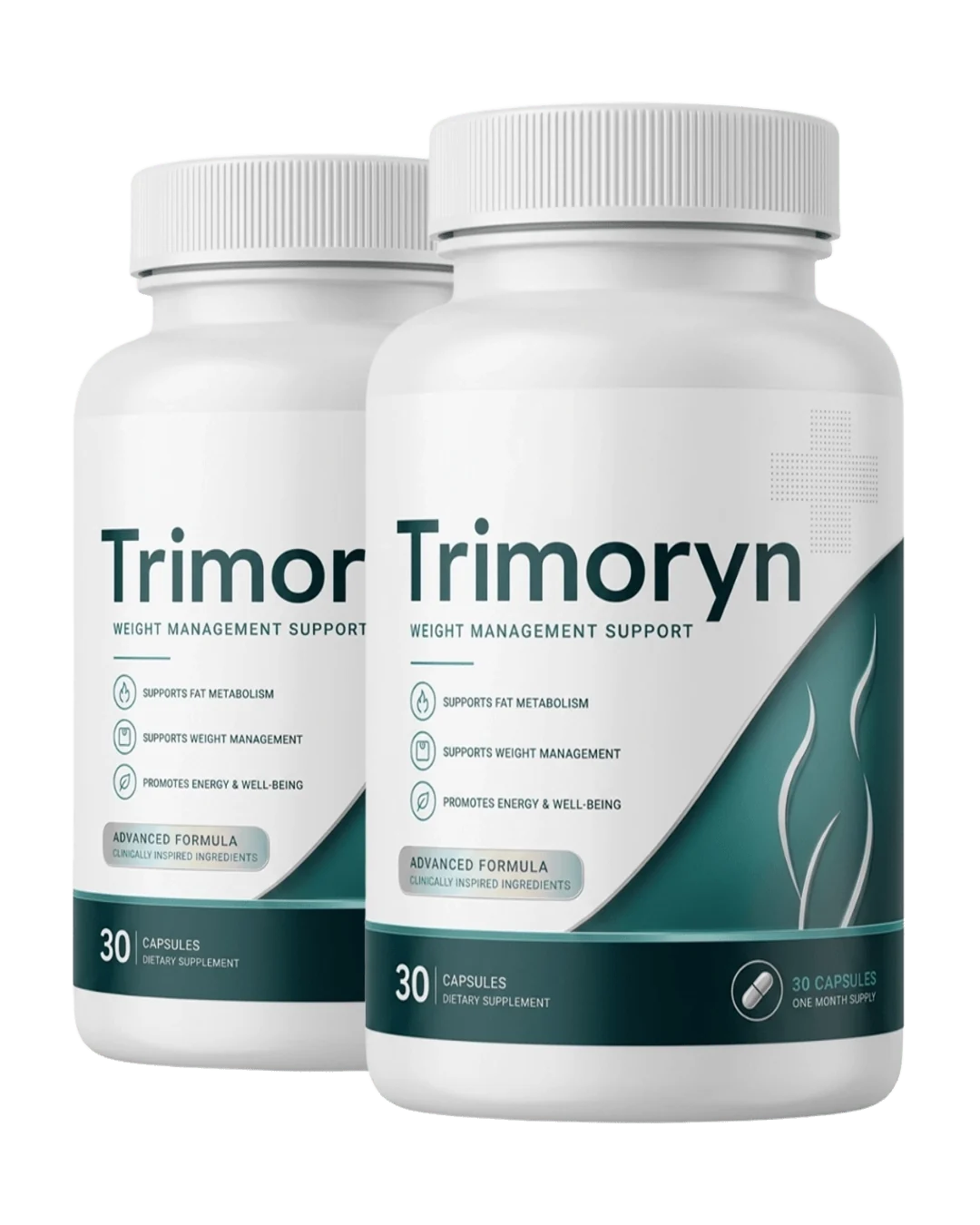
The same scepticism applies to potency wording, which we cover in detail in our guide to CFU at manufacture versus at expiry. Both cases come down to the same discipline: read the sentence that a manufacturer is obliged to print, and treat everything else as marketing until proven otherwise. If you want a starting point for how a formula should present this information, our breakdown of what Trimoryn contains walks through the panel line by line.
A practical routine before you buy
Four steps, in order, will catch nearly everything. Photograph or screenshot the full ingredient panel before ordering, not the marketing image — front-of-pack graphics are not a label. Read the "Contains" line, then scan the other ingredients line specifically for lactose, whey, casein, milk solids, milk protein concentrate and dairy-derived flavourings. Then read any advisory sentence and decide whether the exposure level it describes is one you accept. While the panel is in front of you, check the serving size at the top of it too, because a multi-capsule serving changes every number printed underneath it.
Finally, check that the panel you read matches the product that arrives. Formulas get reformulated, contract manufacturers change, and the carton in the box is the authority, not the page you read weeks earlier. This is one of the quiet reasons to care about where to buy weight loss supplements safely: buying through the official channel means the label you were shown is the label being shipped, and a resealed or repackaged bottle from an unofficial reseller is a label you cannot verify at all.
What an allergen statement cannot do
Being straight about the limits: no label wording is a guarantee of zero exposure. Advisory statements are unregulated in their thresholds, so "may contain" from one company and silence from another can describe similar real-world risk. There is no universal legal definition of how little milk protein makes a product safe for an allergic individual, and testing sensitivity has limits of its own.
Nothing here is medical advice, and none of it is a claim that any supplement diagnoses, treats, cures or prevents lactose intolerance, a milk allergy or any other condition. Supplements support a diet; they do not manage a diagnosed allergy. If you have had a reaction to a supplement, stop taking it and speak to a clinician rather than working through the label alone. If you have a diagnosed food allergy, an allergist can help you decide how to treat advisory labelling, and that decision is properly individual.
The honest summary is that labels reduce uncertainty rather than remove it. Read the mandatory sentence, weigh the voluntary one, prefer companies that publish more than the minimum, and accept that the remaining gap is a judgement you make with your clinician rather than one a carton can make for you.
Medical note: this article is general information, not medical advice. If you have a diagnosed food allergy or persistent digestive symptoms, speak to a qualified healthcare professional before starting or continuing any supplement.
Scientific references
- NIH NIDDK — Lactose Intolerance: definition, symptoms and management
- Mayo Clinic — Lactose intolerance: symptoms and causes
- Mayo Clinic — Milk allergy: how it differs from lactose intolerance
- NIH Office of Dietary Supplements — Probiotics fact sheet for health professionals
- PubMed — research on cross-contact and precautionary allergen labelling
Frequently asked questions
Are gut health supplements lactose free?
Some are and some are not, and the label is the only way to tell. Lactose is used as a carrier and a bulking agent in capsules and powders, and some probiotic cultures are grown on dairy-based media. Look for a Contains milk statement first, then read the other ingredients line for lactose, whey or milk solids.
What is the difference between Contains and may contain on a label?
A Contains statement is mandatory in the United States when a major food allergen is a deliberate ingredient, so it is reliable. A may contain or processed in a facility statement is voluntary advisory wording about possible cross-contact. Its absence does not prove a product is free of cross-contact.
Does lactose free also mean dairy free?
No. Lactose is the sugar in milk, while a milk allergy is a reaction to milk proteins such as casein and whey. A product can be lactose free and still contain milk protein, so someone with a milk allergy needs the Contains statement rather than the lactose free claim.
Is a shared facility statement a reason to avoid a supplement?
It depends on how sensitive you are. For a diagnosed allergy the safest course is to avoid advisory-labelled products and speak to your clinician. For mild lactose intolerance, trace cross-contact is usually far below the amount that causes symptoms, but only you and your clinician can judge your own threshold.
Where can I check the full Trimoryn label before buying?
The official Trimoryn website shows the product label and ingredients. Read the Contains line and the other ingredients line there before you order.
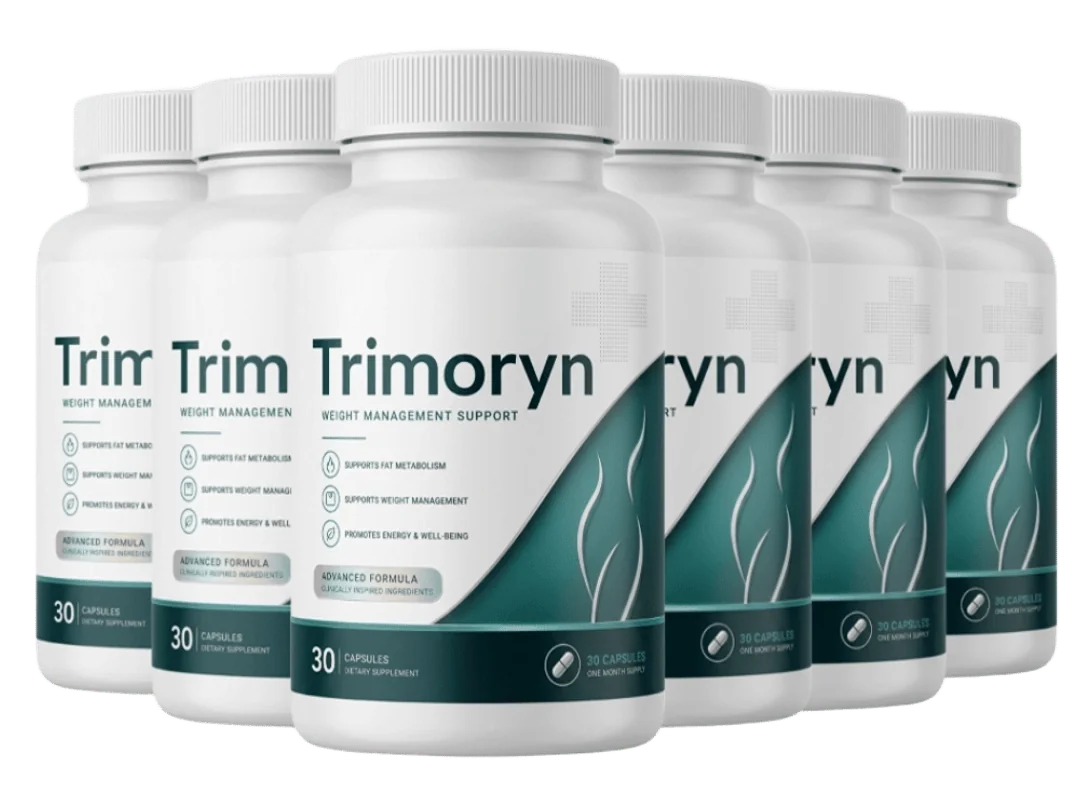
Check the panel before you commit
If a clean, readable ingredient panel is what you want from your best gut health daily supplement, start by reading the official one rather than a marketing image.
Read the Official Label & Options