Best Protein Powder for Weight Loss: A Buyer’s Guide
Quick Answer: Which Protein Powder Is Best for Weight Loss?
The best protein powder for weight loss is the one you will take consistently, with 20 to 30 grams of protein per serving and little added sugar. Whey, casein and quality plant blends all work. Protein is the most satiating macronutrient and helps preserve lean mass during a calorie deficit.
- Target: 20–30 g protein per serving and roughly 1.6–2.2 g/kg of body weight per day from all foods.
- Prioritise: low added sugar and an honest serving size over the brand on the tub.
- Match to you: whey for fast satiety, casein for staying power, plant blends for dietary needs.
Walk down any supplement aisle and the promise on every tub is roughly identical: this is the best protein powder for weight loss, and it will transform your body. The tubs cost anywhere from bargain-bin to boutique, the flavours run into the dozens, and almost none of the marketing tells you the one thing that actually decides the outcome. So let us be blunt at the top: for fat loss, protein powder is not magic, but it is one of the few supplements with a genuinely strong, mechanistic reason to be in your cabinet. The trick is knowing what it does and buying for that, not for the label art.
Protein earns its keep on two fronts. It is the most filling of the three macronutrients, so it helps you eat less without white-knuckling through hunger, and it protects lean muscle while you are in a calorie deficit, so more of the weight you lose comes from fat. This guide walks through how much you need, which type to choose, and the label traps that make a mediocre powder look like a hero.
Why protein powder for weight loss actually earns its place
Most weight-loss supplements are hoping you do not read the research. Protein is the opposite: the more you read, the better it looks. Two mechanisms matter, both set out in the Harvard T.H. Chan School of Public Health summary of dietary protein, and neither is exotic.
The first is satiety. Gram for gram, protein keeps you fuller than carbohydrate or fat, partly through its effect on appetite hormones and partly because it digests slowly and steadily. In practice that means a protein-forward breakfast or snack quietly deletes the mid-morning craving that used to feel non-negotiable. You are not fighting hunger with willpower; you are engineering less of it in the first place.
The second is lean-mass preservation. When you lose weight, some of what leaves can be muscle unless you give your body a reason to keep it. Adequate protein, ideally paired with some resistance training, tells the body to hold onto muscle and burn fat instead. That matters for how you look at the end, and it matters for your metabolism, because muscle is metabolically active tissue you do not want to sacrifice. A powder simply makes hitting your protein target convenient on busy days.
Powder is not superior to chicken, eggs, fish, dairy or legumes. Whole food wins on nutrients and fullness per calorie. Powder wins on convenience, speed and precision, which is exactly what people short on time actually run out of. If a scoop is the difference between hitting your protein target and missing it, the scoop is worth it.
How much protein powder you actually need
This is where most people either under-dose and wonder why nothing changed, or over-dose and turn a diet aid into a calorie surplus. The trial evidence on protein intake and lean-mass preservation points to a range for people losing fat while training is roughly 1.6 to 2.2 grams of protein per kilogram of body weight per day, counting every source, not just the powder. For a lot of people that total is achievable from food alone with a scoop or two closing the gap. Powder is a top-up, not the foundation.
The word "top-up" is doing real work there. If you already eat protein at most meals, one scoop may be all you need. If your meals are carb-heavy and light on protein, two scoops spread across the day can transform your satiety without adding much to the calorie total, because protein is comparatively filling per calorie. What you should not do is pour three or four scoops of a sugary powder on top of an already adequate diet and expect fat loss. That is a surplus wearing a health-food costume.
Whey vs casein vs plant, at a glance
| Type | Best for | Watch-out |
|---|---|---|
| Whey concentrate | Value, fast satiety, post-workout | More lactose; check added sugar |
| Whey isolate | Higher protein per calorie, low lactose | Costs more per serving |
| Micellar casein | Slow release, overnight or long gaps | Thicker; can feel heavy |
| Plant blend (pea + rice) | Vegan, dairy-sensitive, fiber content | Confirm it is a blend for complete amino acids |
The honest summary of that table: they all work for weight loss. Whey digests quickly and is highly satiating; casein digests slowly and can hold you through a long gap; a well-designed plant blend that combines sources such as pea and rice matches both on results and adds a little fiber. If dairy troubles you, plant wins by default. Otherwise, total daily protein and low added sugar decide the outcome far more than the source on the front of the tub.
Protein handles the meal. What about between them?
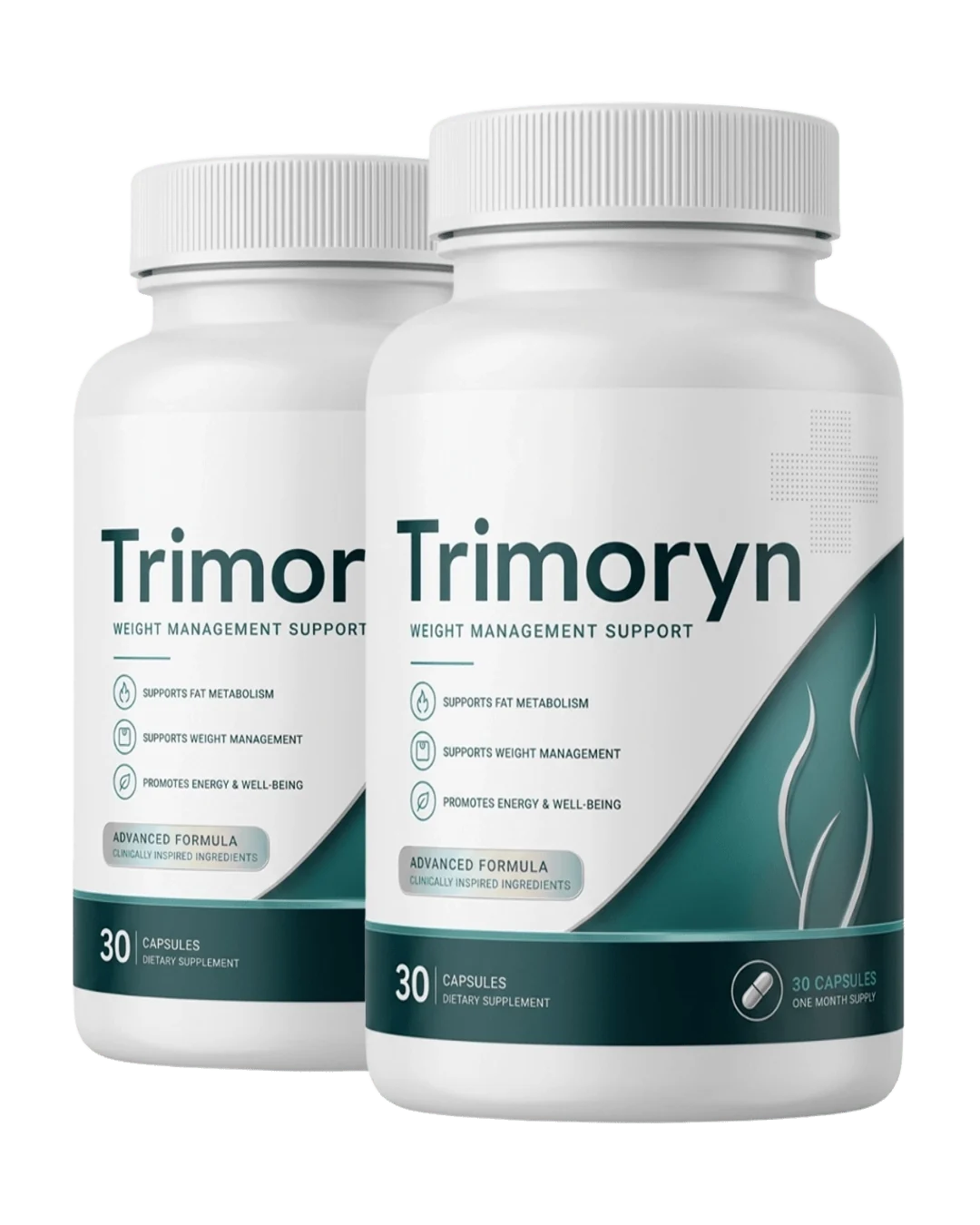
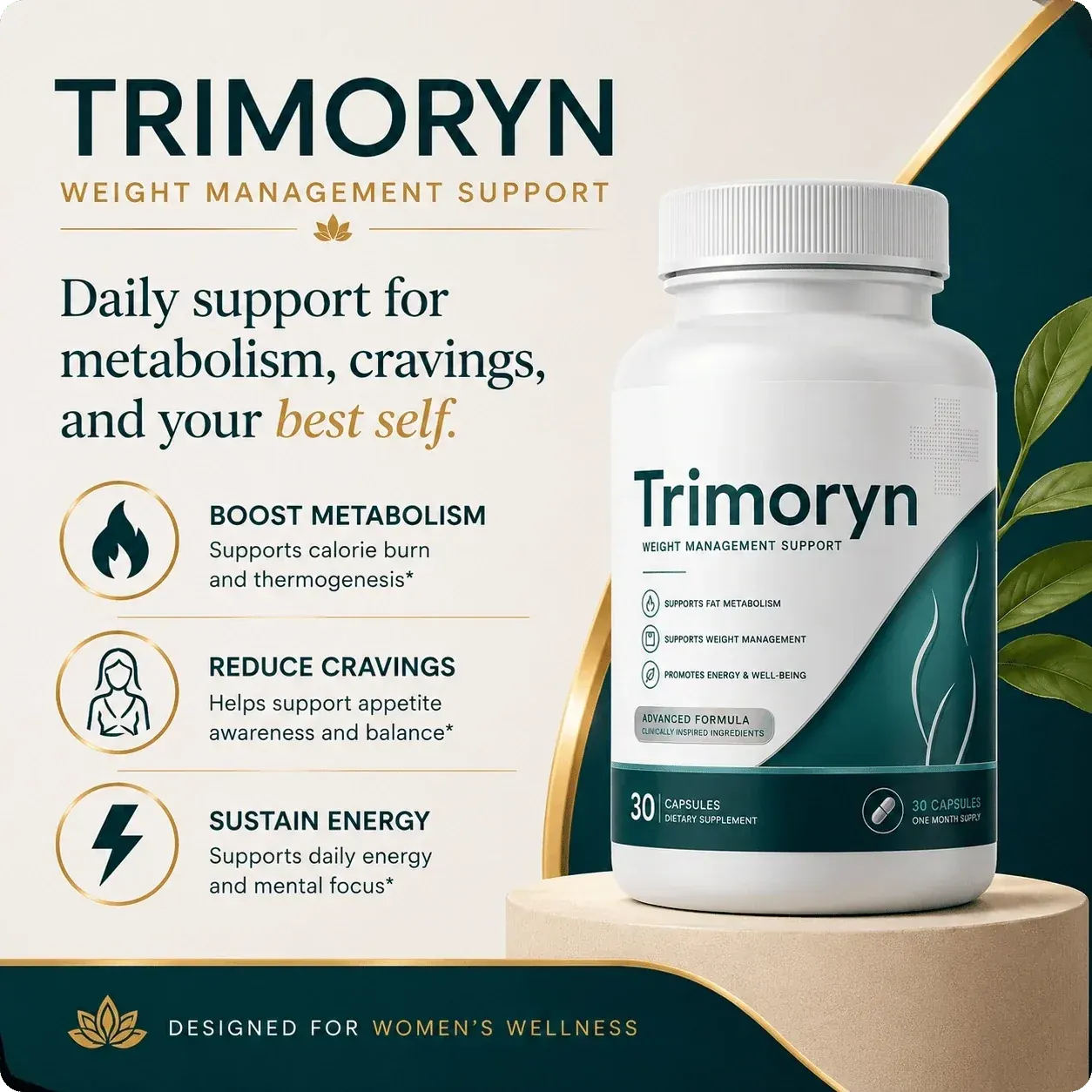
Trimoryn is a once-daily, between-meal appetite support designed to complement a protein-forward diet — not replace it. See the full formula and directions on the official page.
See the Official Trimoryn PageThe label traps that make a weak protein powder look strong
Here is the part the brands would rather you skip. Two tubs can advertise the same protein number and be wildly different products, because the number depends entirely on the serving size, and the serving size is chosen by the manufacturer. A powder that claims 30 grams of protein per serving where the serving is two heaped scoops is not the same as 30 grams in one scoop — the first tub empties twice as fast and costs roughly twice as much per day, and it may be padding the scoop with filler to get there.
This is the single most common way a mediocre powder is dressed up as a premium one, and it applies across the entire supplement aisle. If you want to see exactly how the trick works and how to normalise two products before comparing, our breakdown of the serving-size tricks that inflate a supplement label is worth ten minutes before you spend a penny. The habit it builds — converting everything to a per-scoop and per-day figure — will save you money for years.
Added sugar is the second trap. A powder that leads with sugar spikes and crashes you, which undoes the appetite control you were paying for, and quietly adds the calories you were trying to cut. Read the panel: protein first, sugar low, and a short ingredient list you can pronounce. The third trap is protein spiking, where cheap amino acids are added to inflate the measured protein number without delivering the muscle-supporting profile you wanted. A transparent brand that publishes an amino acid breakdown is telling you it has nothing to hide.
The best protein powder is rarely the one with the biggest number on the front. It is the one with the honest number on the back.
Where a protein shake ends and appetite support begins
A protein shake is excellent at the meal itself and for a couple of hours after. What it is not is a dedicated appetite suppressant, and it is fair to be honest about that gap. Protein blunts hunger, but a liquid shake empties from the stomach faster than a solid, so there is often a stretch in the late afternoon or between meals where cravings rebuild and a diet quietly gets renegotiated. That in-between window is a different problem from the one a scoop of powder solves.
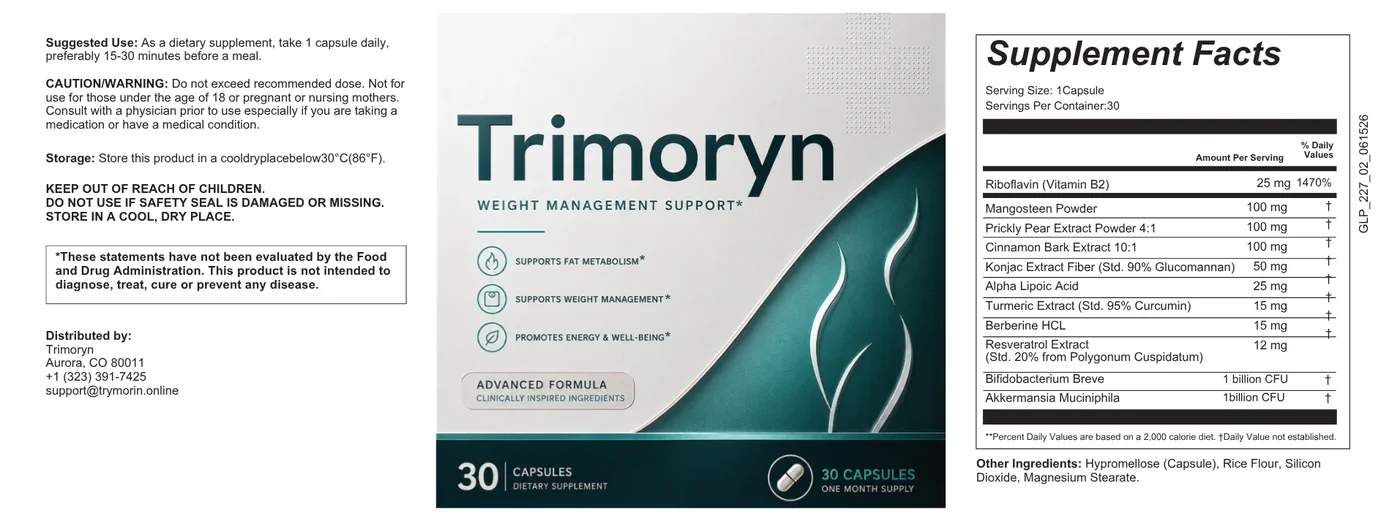
This is where Trimoryn is positioned, and it is worth stating plainly so there is no confusion: Trimoryn is not a protein powder and not a meal replacement. It is a once-daily appetite and metabolism support whose label lists Konjac glucomannan fibre, mangosteen, prickly pear and cinnamon bark extracts, alpha-lipoic acid, turmeric, berberine HCl, resveratrol and two probiotic strains, aimed at the hours between meals rather than the meal itself. Protein handles the plate; a between-meal support like this is designed for the gap after it. They complement rather than compete.
If you would rather reach for whole food first in that gap — which is a perfectly good instinct — our guide to natural hunger suppressant foods and supplements covers the fiber-rich, protein-forward options that stretch fullness between meals. And if you are weighing a plain powder against a full meal swap, our walkthrough of a structured meal replacement shake plan shows when each one makes more sense.
What protein powder cannot do
Time for the ceiling, because pretending it does not exist is how people end up disappointed. Protein powder cannot create a calorie deficit by itself. If your total intake exceeds what you burn, adding protein shakes on top simply raises the surplus, and you will not lose fat no matter how clean the powder is. Protein makes a deficit easier to reach and easier to tolerate; it does not manufacture one out of thin air.
It also cannot build muscle without the stimulus of training. Protein is the raw material, but the signal to use that material for muscle comes from lifting or otherwise loading the muscle. Drink protein, skip all resistance work, and you have expensive food, not a body-composition strategy. Pairing adequate protein with even modest strength training is what turns the powder into lean-mass insurance during a diet.
Finally, no powder and no supplement diagnoses, treats, cures or prevents any condition, and no fat-loss result is guaranteed. Protein powder, as the Academy of Nutrition and Dietetics explains, is a well-evidenced convenience tool for hitting a protein target and staying full; that is a genuinely useful role and also the whole of it. If you have kidney concerns, are pregnant or nursing, or manage a health condition, check your protein intake and any new supplement with a clinician first.
Medical note: this article is general information, not medical advice. Speak to a healthcare professional before starting any supplement or making large changes to your protein intake, especially if you are pregnant, nursing, taking medication or managing a health condition.
Related reading
Scientific references
Frequently asked questions
Which protein powder is best for weight loss?
The best protein powder for weight loss is the one you will actually use that provides 20 to 30 grams of protein per serving with minimal added sugar. Whey isolate, micellar casein and well-formulated plant blends all work. Consistency and total daily protein matter far more than which specific powder you pick.
How much protein powder should I have daily?
Powder should top up your food, not replace it. Most people aiming for fat loss do well at roughly 1.6 to 2.2 grams of protein per kilogram of body weight per day from all sources combined. Often that means one or two scoops to fill the gap left by whole-food meals.
Does protein powder suppress appetite?
Protein is the most satiating macronutrient, so a protein-rich shake genuinely blunts hunger for a few hours and can reduce later snacking. It is not a dedicated appetite suppressant, though. For the hungry hours between meals, protein pairs well with fiber, water and a between-meal support like Trimoryn.
Whey or plant protein for fat loss?
Both work. Whey digests quickly, is highly satiating and has a complete amino acid profile, which is why it is popular for fat loss. Quality plant blends combine sources such as pea and rice to match it and suit vegans or those who find dairy hard to digest. Total protein and low sugar decide the outcome, not the source.
Can I take Trimoryn alongside a protein powder?
Trimoryn is one capsule daily before a meal and supports a calorie-controlled diet. You can find its full details on the official website.
Pair your protein with between-meal support
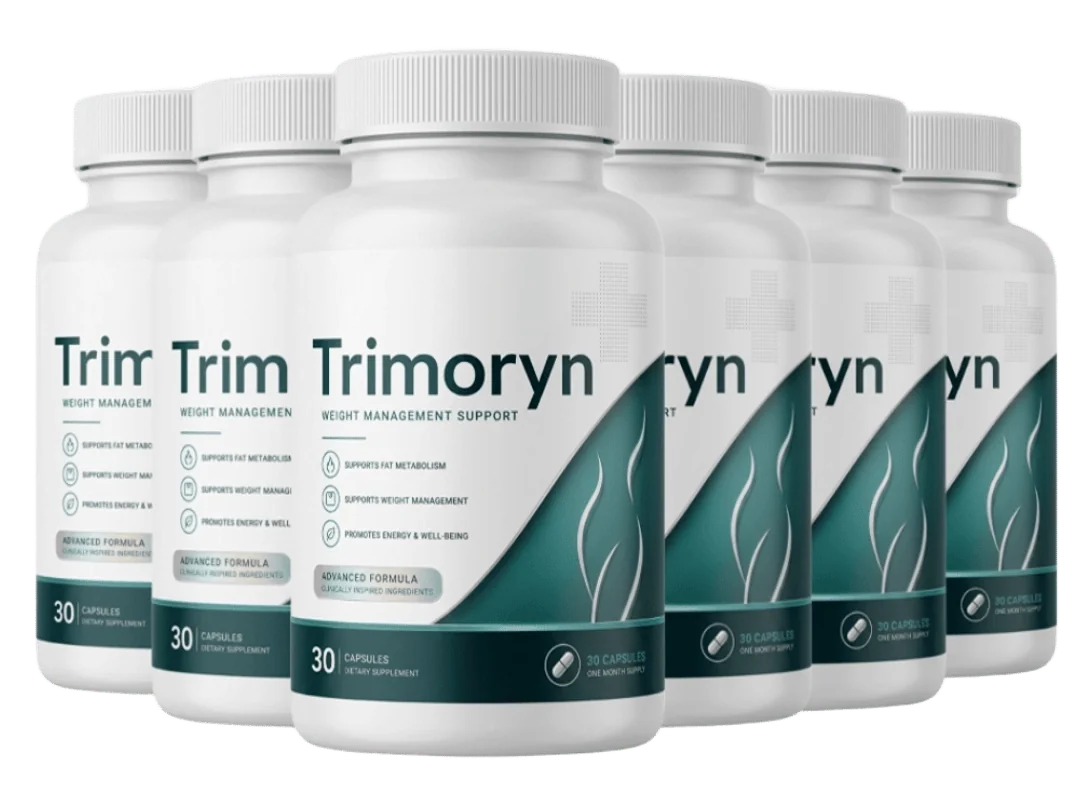
Protein powder covers the meal and the satiety; Trimoryn is built for the hungry hours between. See the full ingredient list, directions and supply options on the official page.
Check Trimoryn Supply Options