Meal Replacement Shakes for Weight Loss: A Simple Guide
Quick Answer: Are Meal Replacement Shakes Good for Weight Loss?
A meal replacement shake for weight loss works best when it takes the place of one or two meals a day and keeps you in a modest calorie deficit. The protein and fiber help control portions and ease hunger. Keep at least one whole-food meal in your day so you get a full range of nutrients.
- Best used as: a structured swap for one or two meals, never every meal indefinitely.
- Look for: real protein and fiber per serving, and check the serving size on the panel.
- Mind the gap: plan for the hungry hours between a shake and your next meal.

The meal replacement shake reviewed by the Mayo Clinic sits in an odd place in the weight-loss aisle: promising and suspicious at the same time. Blend a scoop of powder, drink it in ninety seconds, and a meal you used to think about for an hour disappears from the day. For some people that is exactly the structure that finally makes a calorie deficit stick. For others it is a fast track to feeling deprived by mid-afternoon and eating everything in sight by evening. The difference is almost never the shake itself. It is how the shake is used.
This guide treats the shake as a tool with a specific job, not a miracle and not a scam. Used well, it removes decisions and standardises portions at the exact points in the day where most people overeat. Used badly, it swaps a balanced plate for a sugary drink and leaves you hungrier an hour later. The goal here is to keep you firmly in the first group.
Why a meal replacement shake works when it works
Weight loss comes down to sustaining a calorie deficit of the kind the CDC describes for long enough to matter, and the hardest part of that is not knowledge but friction. Every meal is a decision, and every decision is a chance to eat more than you planned. A well-formulated shake removes the decision. It is one portion, one calorie count, every time, with no menu to negotiate and no bread basket to resist.
The second thing a good shake does is front-load satiety. Protein is the most filling of the three macronutrients, and soluble fiber slows digestion and blunts the appetite response, which is the mechanism behind the randomised meal-replacement trials indexed in PubMed. A shake carrying roughly 20 to 30 grams of protein and a few grams of fiber is doing real work on hunger, not just on the calorie total. That is why a shake at breakfast often quiets the mid-morning snack that used to feel automatic.
The third benefit is boring but decisive: consistency. A plan you can repeat without thinking is a plan you actually follow, and adherence beats optimisation every time. If replacing lunch with a shake means you are no longer skipping meals and then bingeing at night, the shake has earned its place even if a home-cooked lunch would technically be more nutritious. Perfect meals you do not eat lose to good meals you do.
Where meal replacement shakes go wrong
Three things sink most people, and all three are avoidable once you name them.
The first is treating the shake as an add-on. A meal replacement only replaces if it takes the place of food you would otherwise have eaten. Drink a 250-calorie shake as a second breakfast, keep your normal lunch, and you have simply added 250 calories to the day. The word "replacement" is the entire mechanism, and it only counts when a real meal disappears from the ledger in exchange.
The second is nutrient gaps. A cheap shake heavy on sugar and thin on protein, vitamins and fiber is not a meal, it is a milkshake with marketing. Replace two or three meals a day with something like that for weeks and you risk shortfalls in fiber, micronutrients and the variety that whole food provides. This is exactly why keeping at least one whole-food meal in the plan is not a nice-to-have but a safeguard.
The third is rebound eating. Liquids leave the stomach faster than solid food, so a shake that satisfies at noon can leave you genuinely hungry by two. If you did not plan for that gap, hunger makes the decision for you, and it rarely chooses well. Rebound eating is not a failure of willpower, it is a predictable consequence of an unplanned hungry hour, and it is where a deliberate strategy for the in-between time pays off.
A shake replaces the meal. It does not replace the hours after the meal, and those hours are where most diets are actually lost.

Support the gap between shakes
Trimoryn is built as a once-daily, between-meal appetite support — not a shake substitute — for the hungry hours where plans slip. See the full formula and directions on the official page.
See the Official Trimoryn PageHow many shakes per day, and how to build the swap
For most healthy adults, one to two shakes a day is the sweet spot. One shake replacing your least-controlled meal — often a rushed breakfast or a takeaway lunch — is enough to reshape the whole day's intake without stripping variety out of your diet. Two shakes can accelerate things for a defined stretch, but you should keep at least one whole-food meal so that fiber, micronutrients and the simple pleasure of eating stay in the picture. Replacing every meal with shakes is a short-term intervention at most, not a lifestyle, and it is best done with professional guidance.
A simple one-day structure
| Time | What to have | Why it works |
|---|---|---|
| Breakfast | Meal replacement shake, 20–30 g protein | Removes the most rushed, least-planned meal |
| Mid-morning | Water and, if needed, planned appetite support | Bridges the fast-emptying liquid gap |
| Lunch | Whole-food plate: protein, vegetables, some starch | Protects fiber, micronutrients and satiety |
| Afternoon | Second shake or a protein-forward snack | Prevents the pre-dinner ravenous slump |
| Dinner | Balanced whole-food meal, protein first | Keeps the day sustainable and social |
Notice what the structure does: it puts shakes where decisions are worst and keeps real food where it matters most. It also builds in a deliberate plan for the mid-morning and afternoon gaps rather than hoping willpower will cover them. If you want to reinforce satiety with whole food alongside the shake, our roundup of the best natural appetite suppressant foods and supplements is a useful companion to this plan.
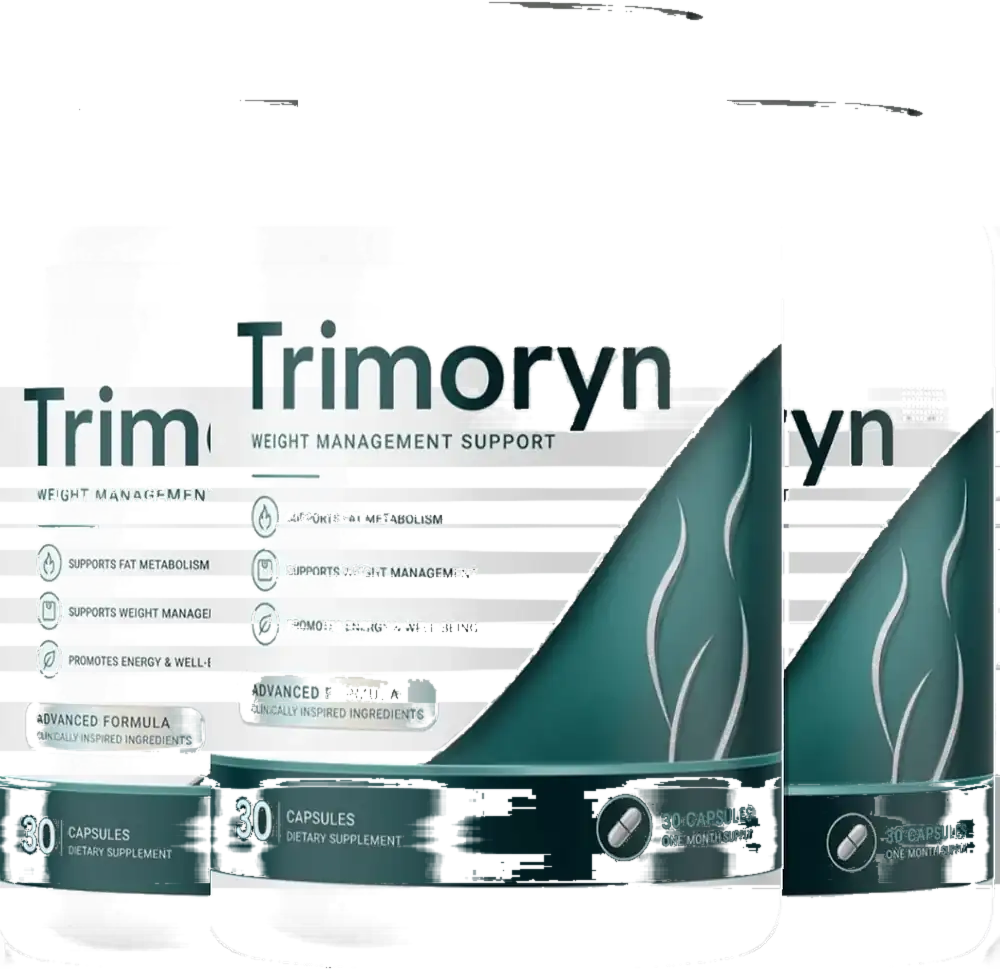
Where Trimoryn fits: the between-meal hours, not the meal
Here is the honest positioning, because it matters. Trimoryn is not a meal replacement shake and is not meant to be swallowed instead of food. It is a once-daily appetite and metabolism support whose label lists Konjac glucomannan fibre, mangosteen, prickly pear and cinnamon bark extracts, alpha-lipoic acid, turmeric, berberine HCl, resveratrol and two probiotic strains. Its job is the part of the day the shake cannot reach: the stretch between a fast-emptying liquid meal and your next plate, when cravings quietly rebuild and a well-planned diet starts to wobble.
Think of it as division of labour. The shake controls the meal — portion, calories, protein. A between-meal support like Trimoryn is aimed at the hours after, where hunger, boredom and habit usually combine to produce the snack that undoes the deficit. They are not competing for the same slot, which is exactly why using both can make sense for some people. The shake is the structure; the appetite support is the guardrail around the structure.
None of that is a promise of results. No supplement, and no shake, melts fat on its own, and anyone who tells you otherwise is selling rather than informing. The realistic claim is narrower and more useful: a shake makes the deficit easier to create, and a between-meal support is designed to make the deficit easier to hold. If you want to see how much a single supplement can and cannot contribute, our piece on whether a supplement can cause weight loss on its own lays out the ceiling plainly.
Reading the shake label before you buy
Not all shakes are equal, and the panel is where the differences hide. Three numbers decide most of it. First, protein per serving: aim for 20 grams or more, because that is what carries the satiety. Second, added sugar: a shake that leads with sugar will spike and crash you, undoing the very hunger control you bought it for. Third, and most quietly misleading, the serving size itself — a panel can look impressive because the serving is two large scoops, which also means the tub empties twice as fast and costs twice as much per day as it appears to.
That last trick is worth taking seriously, because it applies across the whole supplement aisle, shakes and capsules alike. If you have never audited a panel for it, our breakdown of the serving-size tricks that inflate a supplement label shows exactly how a modest formula is made to look strong, and how to normalise two products before you compare them. Ten seconds of arithmetic on the serving line will save you more money than any coupon.
Protein quality matters too, though less than quantity for weight loss. Whey digests quickly and is highly satiating; casein digests slowly and can hold you longer; plant blends work well when they combine sources to round out the amino acid profile. For most people chasing satiety in a deficit, total protein and low added sugar beat any single protein source. If you are choosing between a shake and a plain powder you mix yourself, our guide to the best protein powder for weight loss compares the options in detail.
What a shake can and cannot do
Being direct about the ceiling protects you from disappointment. A meal replacement shake can standardise portions, raise your protein intake, reduce decision fatigue and make a calorie deficit easier to sustain. Those are genuine, meaningful advantages, and for a lot of people they are the missing piece. What a shake cannot do is override a surplus. Two shakes plus your usual meals plus evening snacking is still a surplus, and no formulation changes that arithmetic.
A shake also cannot teach you to eat when you eventually stop drinking it. The people who keep weight off tend to use shakes as training wheels — a way to feel what a controlled portion and a protein-forward meal are like — and then rebuild those habits in whole food. If the shake becomes a permanent crutch that you resent, it has stopped helping. The exit strategy is part of the plan, not an afterthought.
Finally, nothing here diagnoses, treats, cures or prevents any condition, and no weight-loss outcome is guaranteed. Shakes, appetite support and whole-food meals are tools that make a calorie deficit more livable. The deficit does the work. If you have a medical condition, are pregnant or nursing, or take medication, talk to a clinician before restructuring your meals or adding any supplement.
Medical note: this article is general information, not medical advice. Speak to a healthcare professional before starting any supplement or meal-replacement plan, especially if you are pregnant, nursing, taking medication or managing a health condition.
Related reading
Scientific references
Frequently asked questions
Are meal replacement shakes good for weight loss?
They can be, because they make portion control automatic and add protein and fiber for satiety. A shake only helps if it replaces a meal you would otherwise have eaten and leaves you in a calorie deficit for the day. Adding a shake on top of your normal meals does the opposite.
How many shakes per day is safe?
For most healthy adults, one to two shakes a day is a reasonable structure, with at least one whole-food meal kept in the plan. Replacing every meal with shakes for long periods risks nutrient gaps and is harder to sustain, so it is best done briefly and, where possible, with professional guidance.
Do shakes keep you full long enough?
A shake with roughly 20 to 30 grams of protein and several grams of fiber can hold hunger for a few hours, but liquids tend to empty from the stomach faster than solid food. If you get hungry between a shake and your next meal, that gap is where deliberate appetite support and a glass of water usually matter most.
Can I use a supplement alongside shakes?
Often yes. A shake handles the meal itself, while a between-meal appetite support such as Trimoryn is designed for the hours in between when cravings build. They address different moments rather than competing. Check the labels of both, avoid doubling up on the same stimulant, and speak to a clinician if you take medication.
What is a good lunch replacement for weight loss?
A shake can be a simple lunch replacement because it swaps one meal for a set, portion-controlled option. Pair it with a whole-food dinner so your day stays balanced.
Hold the deficit between meals with Trimoryn
A shake standardises the meal; Trimoryn is built for the hungry hours after it. See the full ingredient list, directions and supply options on the official page.
Check Trimoryn Supply Options